A custom Maui tour works best when you tell the guide what you want to feel and understand, not simply how many places you want to reach. Perhaps your family wants to hear about the land behind a coastal view. Perhaps you are interested in plants, old roads, or a town’s changing working life. Those interests give a private day its shape.
At Hawaii By Storm, we encourage guided travel because a thoughtful guide can connect your curiosity with the places welcoming visitors. Customization should make that connection better. It should also leave room for weather, community needs, and the moment when the group would rather spend more time in one place than move to another.
Choose one main region
Let geography give the day a realistic shape.
Name two priorities
Tell us what you most want to experience and learn.
Leave room to adjust
Treat extra stops as options, subject to access and time.
What can usually be personalized?
The conversation can cover pace, the amount of walking, subjects you would like the guide to explain, and the balance between scenic stops and time in communities. Food preferences, photography interests, and the needs of children or older relatives can all affect the plan.
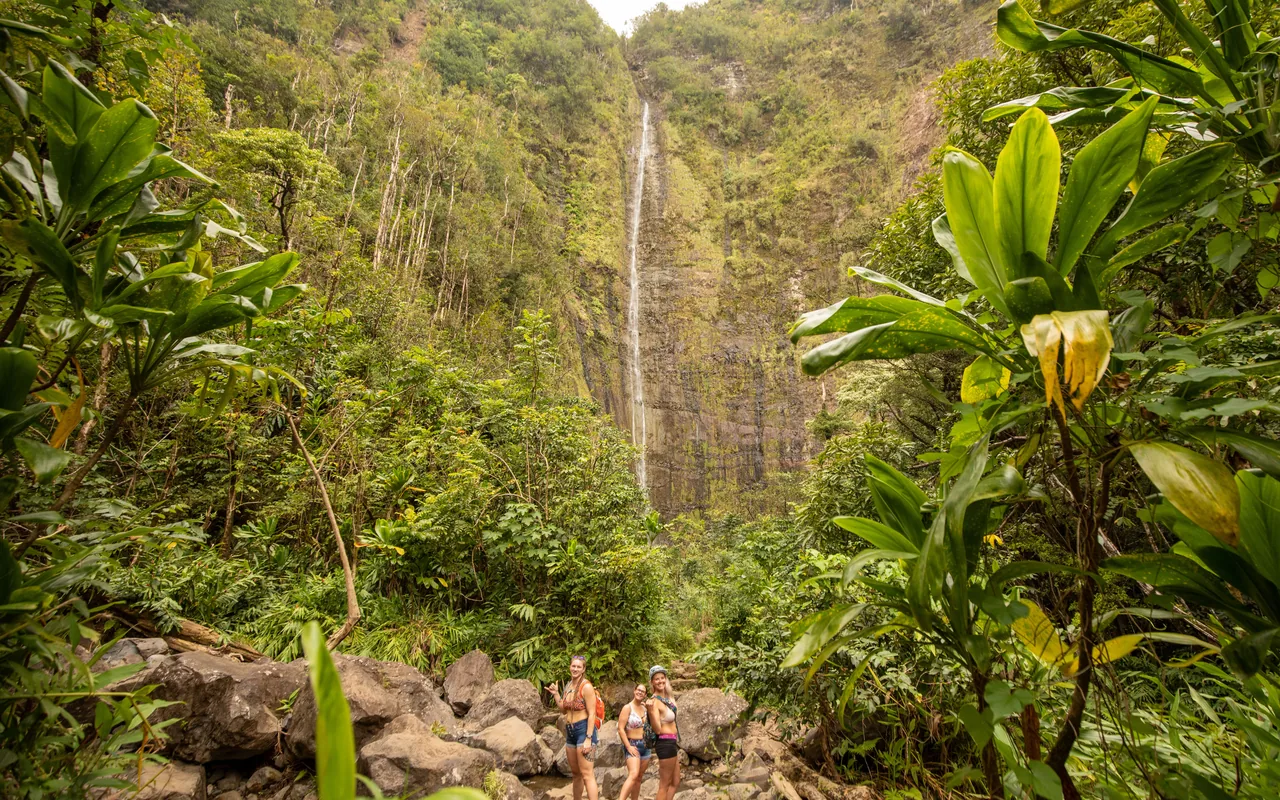
Ask the operator which changes fit the particular tour you are considering. A shorter Hāna outing, a full-day coastal journey, and a summit experience have different geographic limits. A request that sounds small in a message may add a great deal of driving or conflict with a reserved entry window.
Customization is most useful before booking, when the office can match the vehicle, duration, and route to your group. On the day, tell the guide when something captures your interest or when you need a break. Flexibility works better when everyone understands which parts are fixed and which are optional.
What should remain fixed?
Access rules, closures, vehicle capacity, and the time needed to return are not negotiable sightseeing preferences. Neither are an owner’s wishes or the boundaries around a cultural place. A guide should be comfortable explaining those limits clearly.
| You can ask to adjust | What still shapes the answer |
|---|---|
| More time for photography | Legal stopping places, visitor boundaries, weather, and the rest of the day. |
| Less walking | The actual route from parking, available seating, and the nature of each stop. |
| A garden or cultural visit | Its opening hours, admission, guided-program availability, and host requirements. |
| Different food stops | Dietary needs, operating hours, stock, and travel time. |
| A different return time | Distance, traffic, the booked duration, and any firm onward commitments. |
When a proposed addition does not fit, ask what experience it was meant to provide. If the wish is to learn about Hawaiian plants, perhaps a focused garden visit deserves its own time. If the wish is to see the coast, a well-chosen permitted overlook may offer more enjoyment than a rushed detour.
Build the day around a story
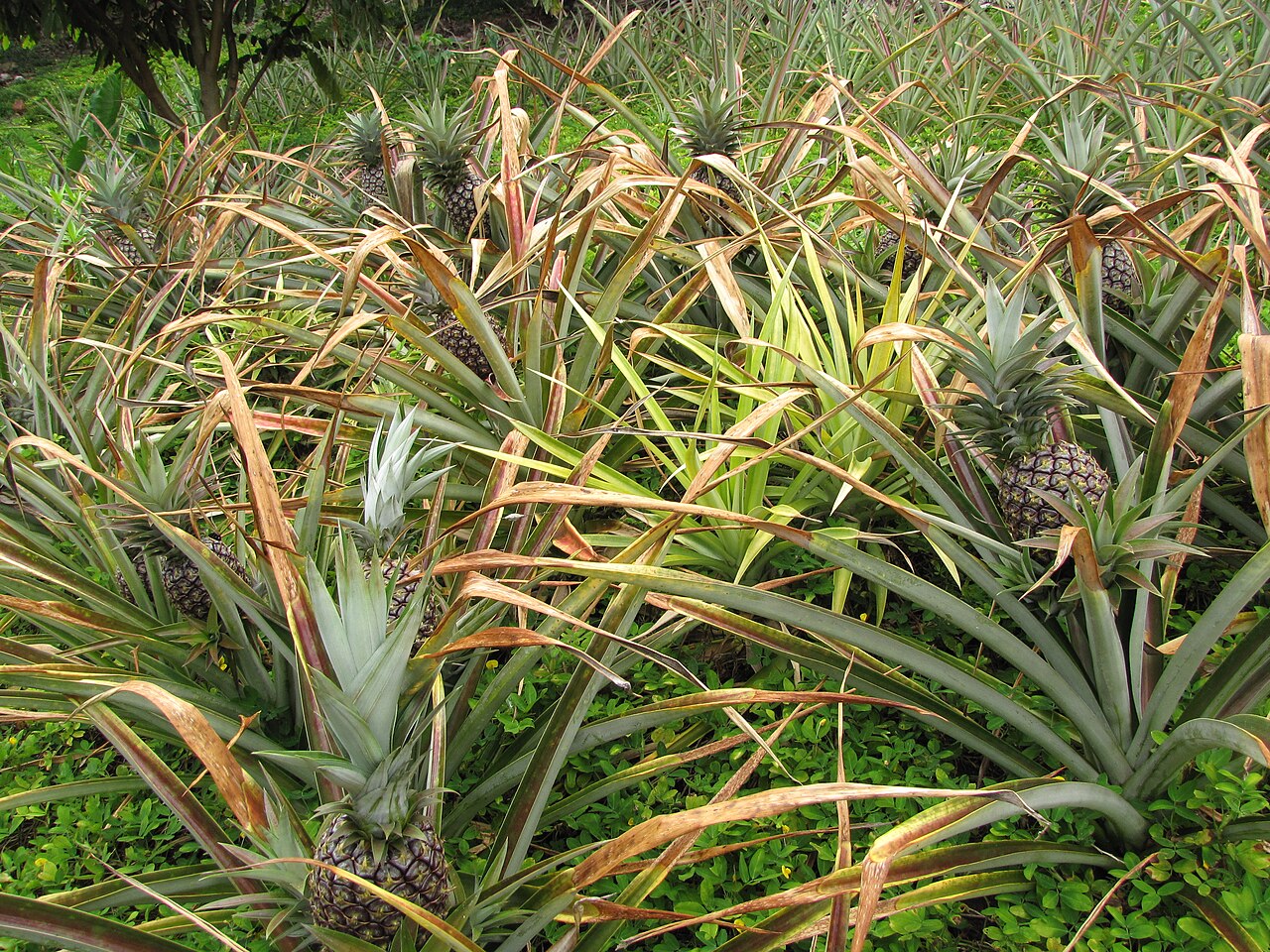
A plant-focused outing is a good example. Kalo fields are part of a cultivated and cared-for landscape, not simply green foreground for a photograph. The Kahanu Garden plant collections explain the connections between canoe plants, Hawaiian culture, and conservation. That context can change what you notice along the road.
If you want deeper interpretation, ask about an appropriate hosted program. Kahanu Garden offers guided visits with its own booking arrangements. Its inclusion in a Hawaii By Storm day must be discussed and confirmed; it is not an automatic stop on every Hāna route.
Choose a theme that makes you curious. A family might follow the relationship between water and food. A photographer might prefer a small number of places with time to look carefully. Someone returning to Maui might want to understand how a town has changed. These are useful directions for a guide, even when the final stop list changes.
Keep Hāna and Haleakalā as different commitments
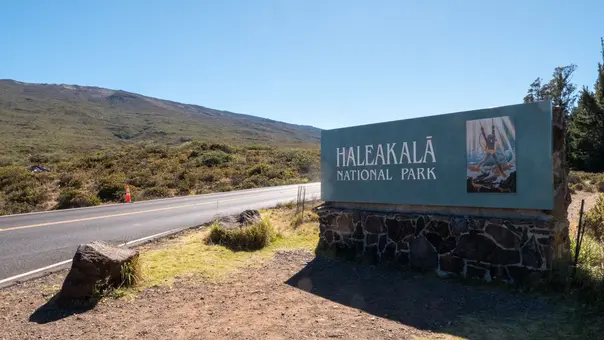
The summit and the Hāna coast are distinct environments. Combining names in a wish list does not make the travel between them disappear. We recommend giving the main region enough time for the journey, interpretation, breaks, and return.
Our Half-Day Hāna tour has a defined shorter focus and does not reach Hāna Town or Waiʻānapanapa. Our Haleakalā Summit tour centers on the mountain. Use those differences to choose the right starting product, then discuss adjustments within it.
If you are deciding between the two, describe what matters more: rainforest and coastal communities, or the volcanic summit landscape. Also mention your group’s tolerance for driving, walking, elevation, and cold. The most attractive photograph is only one part of that decision.
Make a photo itinerary that respects the place
A custom photography day should give you time to observe, not promise access to every image seen online. Tell the guide whether you prefer broad scenery, plants, architectural details, or historic context. Ask how the proposed route offers those subjects from appropriate public or hosted areas.
Keep equipment practical for the agreed stops. A tripod, large bag, or extended setup may take more space and time than an ordinary photo break. Do not block a path, step into a field, or approach a cultural feature simply to improve the composition. People’s homes and working spaces are not props.
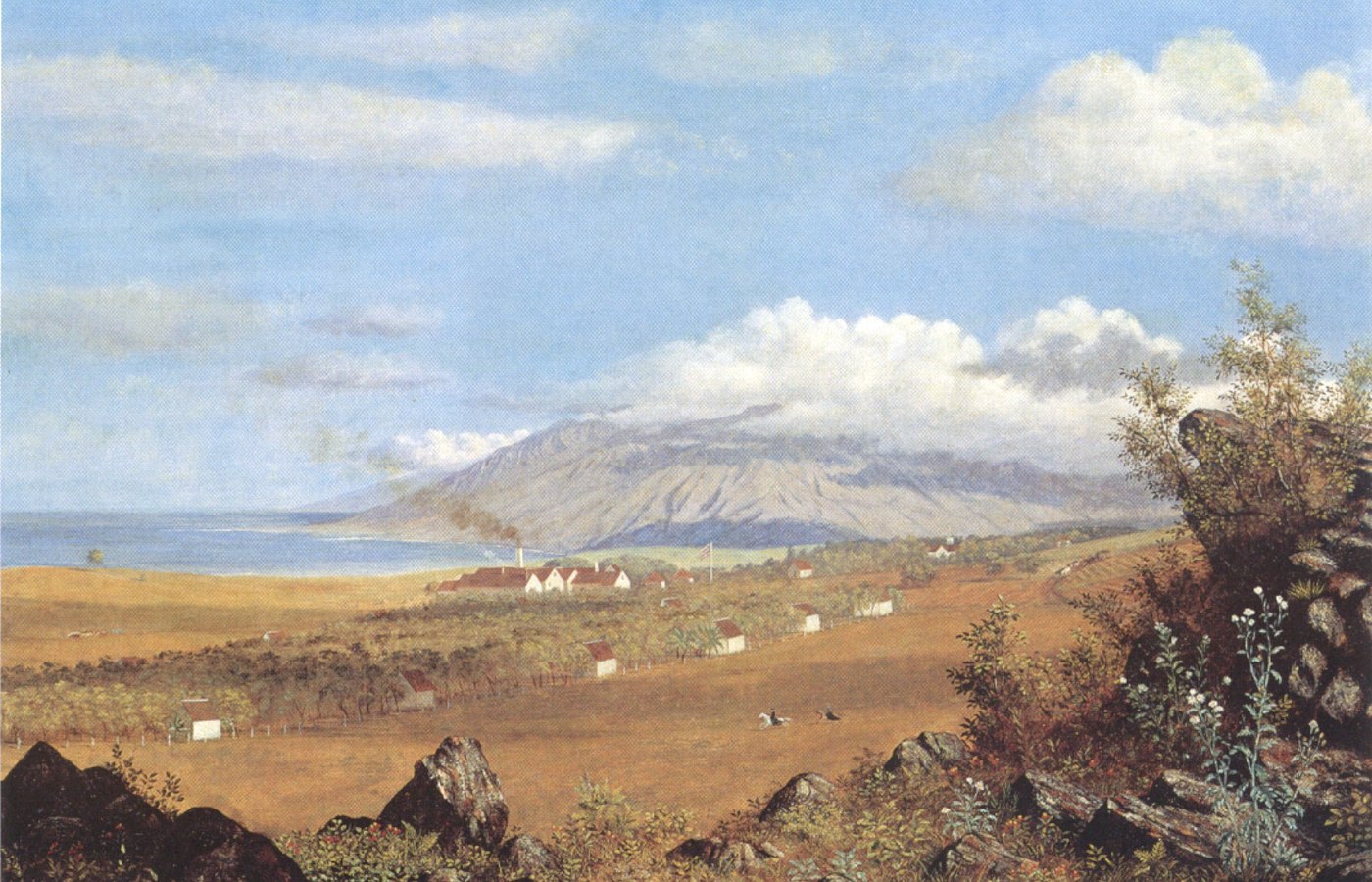
An archival image can also enrich a visit. Enoch Wood Perry Jr.’s 1865 painting of Rose Ranch below records an artist’s perspective on ʻUlupalakua. Comparing an older view with what is visible today invites questions about change; it does not grant access to the property depicted.
Tell us about the people as well as the places
Walking comfort, vehicle entry, children’s restraints, dietary needs, and time in the vehicle all shape a successful custom day. Explain those before the itinerary hardens. “We want a couple of short walks and a relaxed lunch” is a useful brief; “we can do anything” often hides needs that emerge later.
If the group has different interests, choose a shared priority and let the optional stops serve the others. Nobody should spend the day feeling they are holding everyone back. Our family activities guide and senior planning guide offer ways to start that conversation.
Confirm the actual vehicle rather than assuming that an SUV or Bronco label answers every seating and access question. Ask what equipment fits and what help is available. A custom route cannot compensate for a vehicle that does not meet a traveler’s requirements.
How to handle a change on the day
Sometimes the best choice is to stay longer; sometimes it is to leave. Weather, traffic, a closure, or the group’s energy may change the plan. Ask the guide to explain the options and the consequence for the rest of the day before deciding.
A useful alternative should preserve the purpose of the visit. If a planned coastal stop is unavailable, another appropriate viewpoint might still support a conversation about the landscape. If a cultural program is unavailable, do not replace it with unauthorized access to a nearby site. A different kind of experience can be the more respectful choice.
Keep the return time visible in the discussion. Adding a stop can mean shortening another or extending the day only if the operator can accommodate it. Clarify any extra cost before agreeing; private does not automatically mean open-ended.
A simple brief for your custom tour
“Our group is [number], staying in [area]. We would like to focus on [region or theme], with [two priorities]. We prefer [walking and driving comfort], need [practical arrangements], and must return by [time, if applicable]. Please suggest a realistic route and identify what needs advance booking.”
Use the booking checklist to settle price, inclusions, and terms. Then call (808) 444-3770 or explore our tour options. A good custom day has a clear purpose, enough room to enjoy it, and care for the island throughout.
Hero photograph: Vineyards within ʻUlupalakua’s ranch and agricultural landscape Forest & Kim Starr · CC BY 3.0 US · resized for web. Image record.