
The best family day on Maui leaves room for the child who asks one more question, the grandparent who wants to sit with a view, and the parent who would like to stop managing the schedule for a while.
When we share our island, we want you to meet more than a list of attractions. We want you to notice the plants beside the path, understand something about the community you pass, and leave a place with the same care you would want visitors to show your own home.
For families traveling across generations, our starting recommendation is a guided day with a manageable amount of driving and walking. A knowledgeable local guide can help connect the scenery with its history, recognize a boundary that an online map does not explain, and adjust when the group has had enough. Some families will want a shorter coastal outing; others will happily devote a day to the summit. The right choice starts with people.
Start with the whole family
Which Maui family activities fit your group?
Age is only a starting point. A keen walker in their seventies may want a different day from a tired six-year-old. Ask each person what they hope to experience and what would make the day uncomfortable. Then build around the shared ground.
Less time on the road
Marine learning, a botanical garden, or one cultural stop.
Start here for flexible pacing.Rainforest & coast
A guided Hāna outing with a few well-chosen stops.
Discuss curves and day length.A mountain day
Haleakalā overlooks, interpretation, and optional short walks.
Plan for elevation and cold.A planning comparison, not a route map or accessibility rating. Confirm the actual vehicle, facilities, walking surfaces, and itinerary with each operator.
Explore with understanding
Six family activities worth making time for
1. Meet the ocean before going into it
Maui Ocean Center in Māʻalaea gives children and adults a way to look closely at Hawaiian marine life together. Its marine naturalists offer interpretive talks and answer questions. That conversation can make a later shoreline visit more meaningful: what lives on a reef, what coral needs, and why observing an animal should not become crowding it.
The aquarium lists accessible pathways and family amenities. Its guided experiences have their own requirements; ask about the walking and standing involved before booking. We like this as a focused learning day, especially when the group wants an alternative to a long drive. Visitor information · Naturalist-led experiences.
2. Learn how plants connect people and place
At Maui Nui Botanical Gardens in Kahului, native Hawaiian plants and plants used in Hawaiian culture give a family plenty to talk about without chasing a distant viewpoint. The garden’s interpretive resources explain plant identities and uses; its audio guide covers more than 102 species. Ask about current programs if you want to pair the visit with a knowledgeable interpreter.
Give children a small observation task: find two different leaf shapes, notice a plant name, or remember one use to discuss over lunch. Looking is enough; leaves, flowers, and seeds stay where they are unless staff expressly invite participation. Check opening days and arrangements directly with the garden.

3. Visit ʻĪao Valley with its history in mind
Kukaʻemoku, often called the ʻĪao Needle, is a striking view. But the valley is also a place of cultural and spiritual importance and the site of the 1790 Battle of Kepaniwai, when Kamehameha’s forces defeated Maui’s army. That history deserves more care than a quick photo caption.
Hawaiʻi State Parks describes a paved 0.6-mile walk and a botanical garden. “Paved” does not answer every mobility question: discuss the exact route and any steps with your guide. Out-of-state visitors need advance reservations. Stay on designated routes and check current access before setting out. Official ʻĪao Valley information.
4. Choose a Hāna outing with room to stop and listen
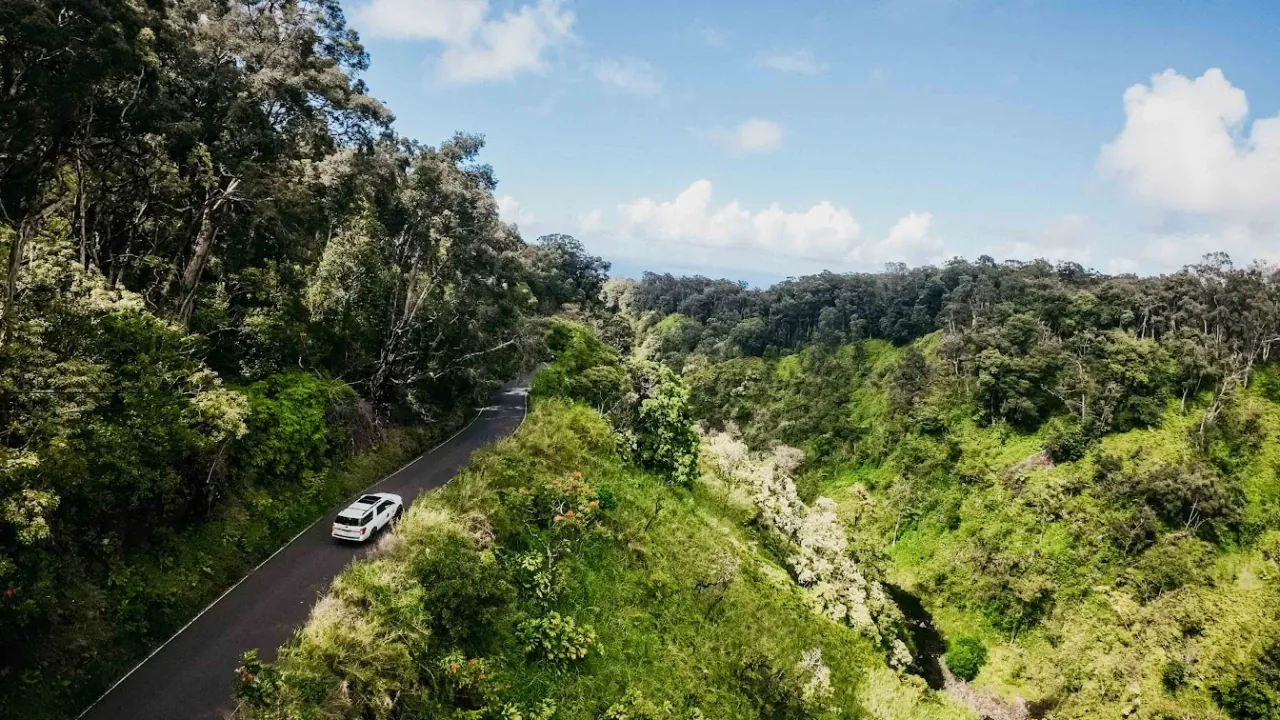
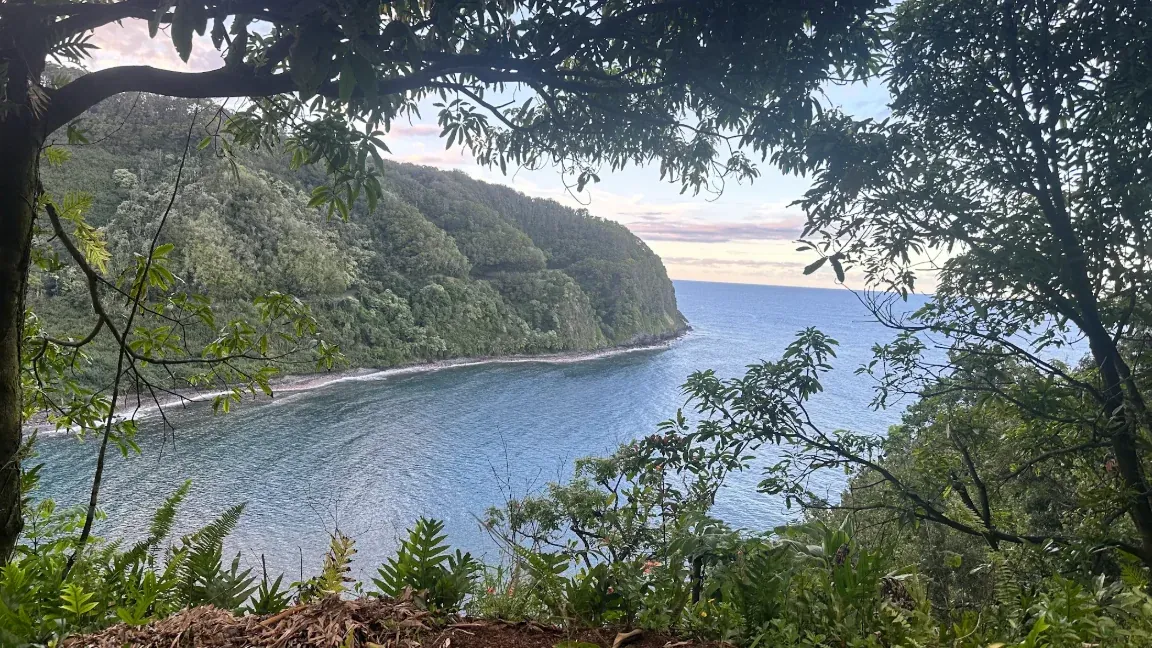
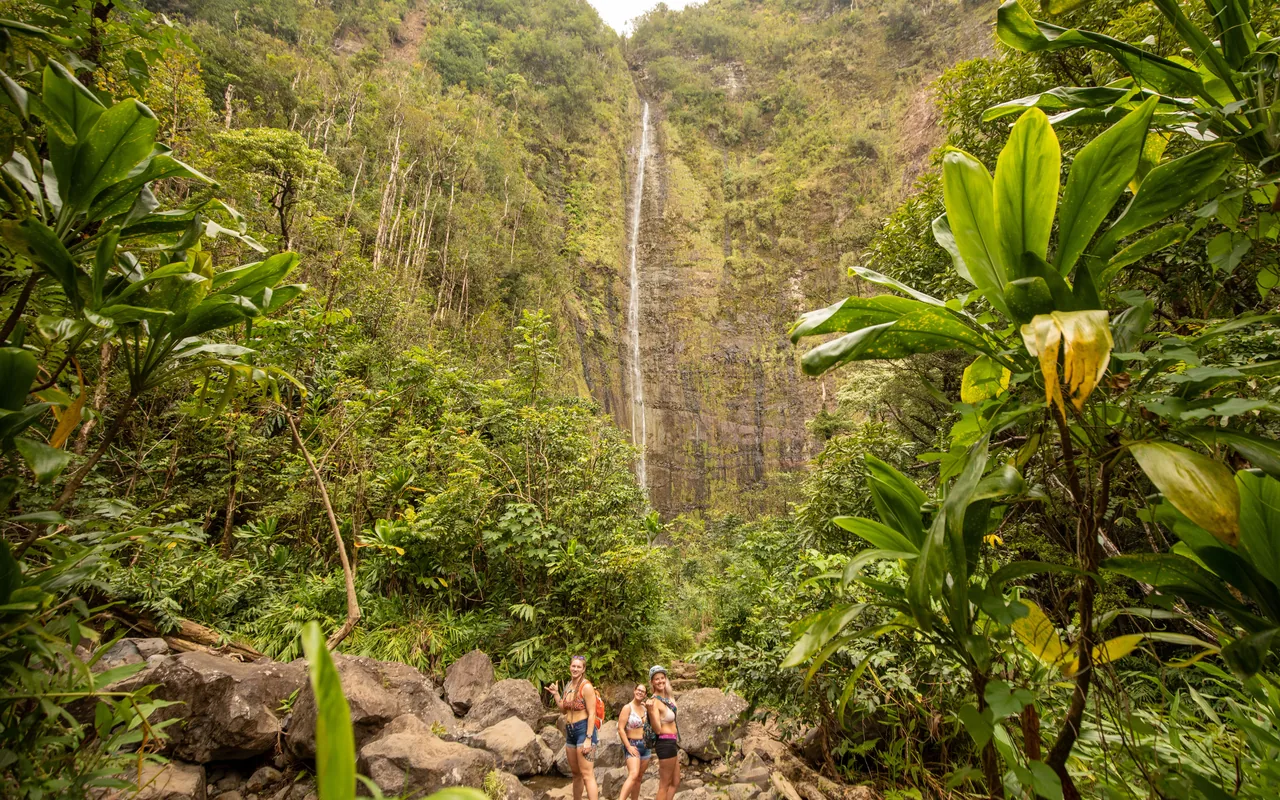
The Road to Hāna can be a wonderful family experience when everyone understands the commitment. The drive is part of the day, and a private vehicle does not remove the curves. If a full itinerary sounds tiring, ask about our Half-Day Hāna tour, listed at six hours. It does not reach Hāna Town or Waiʻānapanapa State Park. “Half-day” still deserves a proper conversation about pickup, breaks, and the time back at your accommodation.
Choose a few experiences you can enjoy together. Ask your guide to explain the working landscape as well as the scenery, and to use established visitor areas. A waterfall beside the road does not automatically have a public path to it. For the detailed child-focused logistics, use our Hāna guide to bathrooms, snacks, and timing.
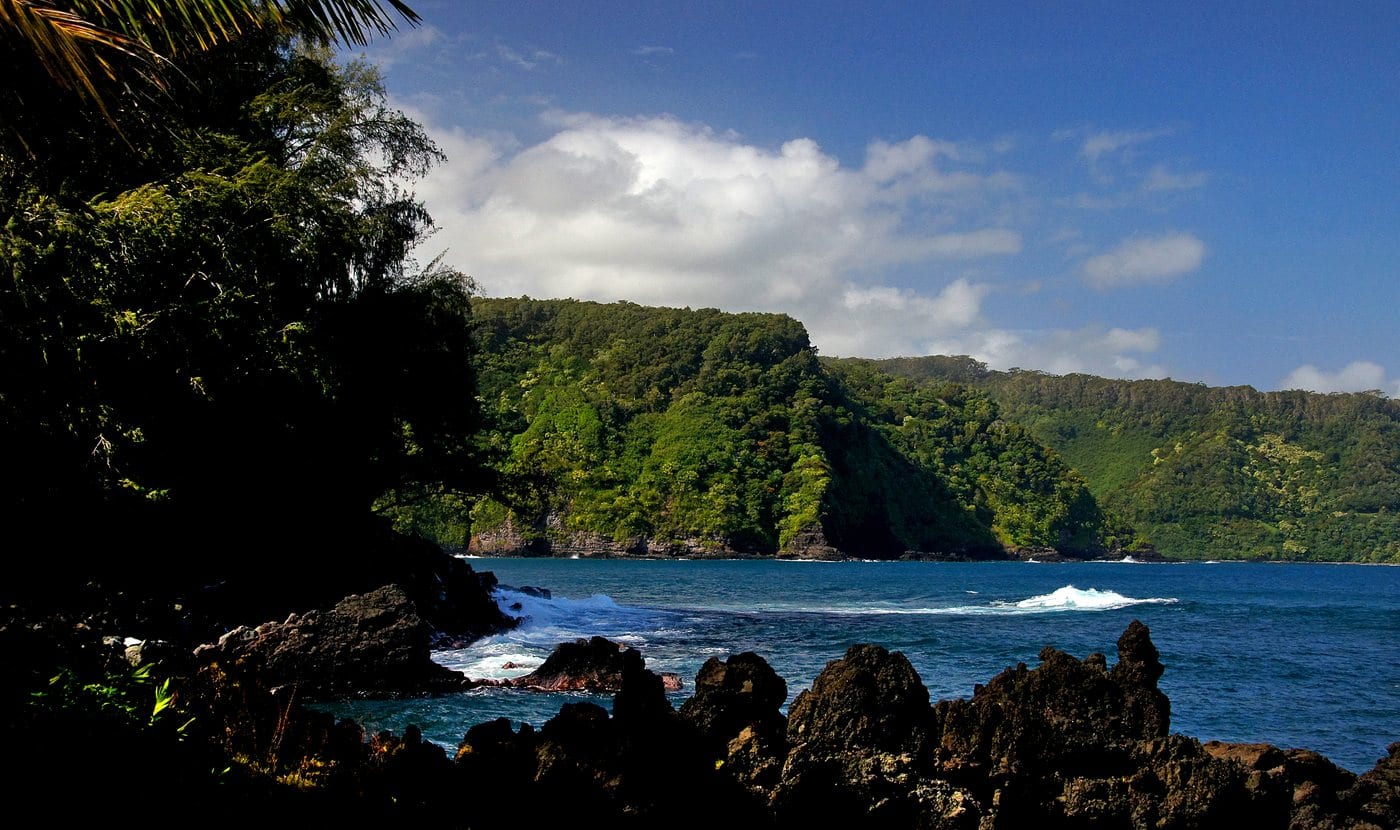
5. Make Haleakalā a separate, thoughtfully planned day
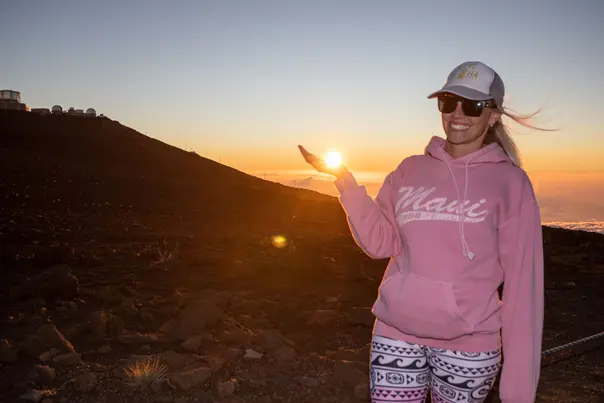
Some children are fascinated by the volcanic landscape; some grandparents enjoy sitting quietly with the view. Neither needs a long hike to have a worthwhile visit. Our Haleakalā Summit tour is listed at six to eight hours in a Luxury Expedition. Discuss the actual walking and departure before choosing it for your family.
High elevation, wind, and cold make this a different environment from the coast. A short trail is not automatically an easy one, and anyone concerned about altitude should seek personal medical advice before booking. Our summit guide covers the mountain’s history, timing, and visiting with care. Check current NPS conditions before departure.
6. Give a town’s story time to unfold
A meal and a short, guided conversation in a town can be more memorable than another distant stop. In Pāʻia, let the discussion move beyond what to order. Ask how work, schools, families, and changing industries shaped the community. Keep sidewalks and entrances clear, use legal parking, and give residents space to go about their day.
Our Pāʻia history guide offers context for that conversation. A former industrial property is not an open-air museum; viewing a historic photograph does not grant access to the place it depicts.
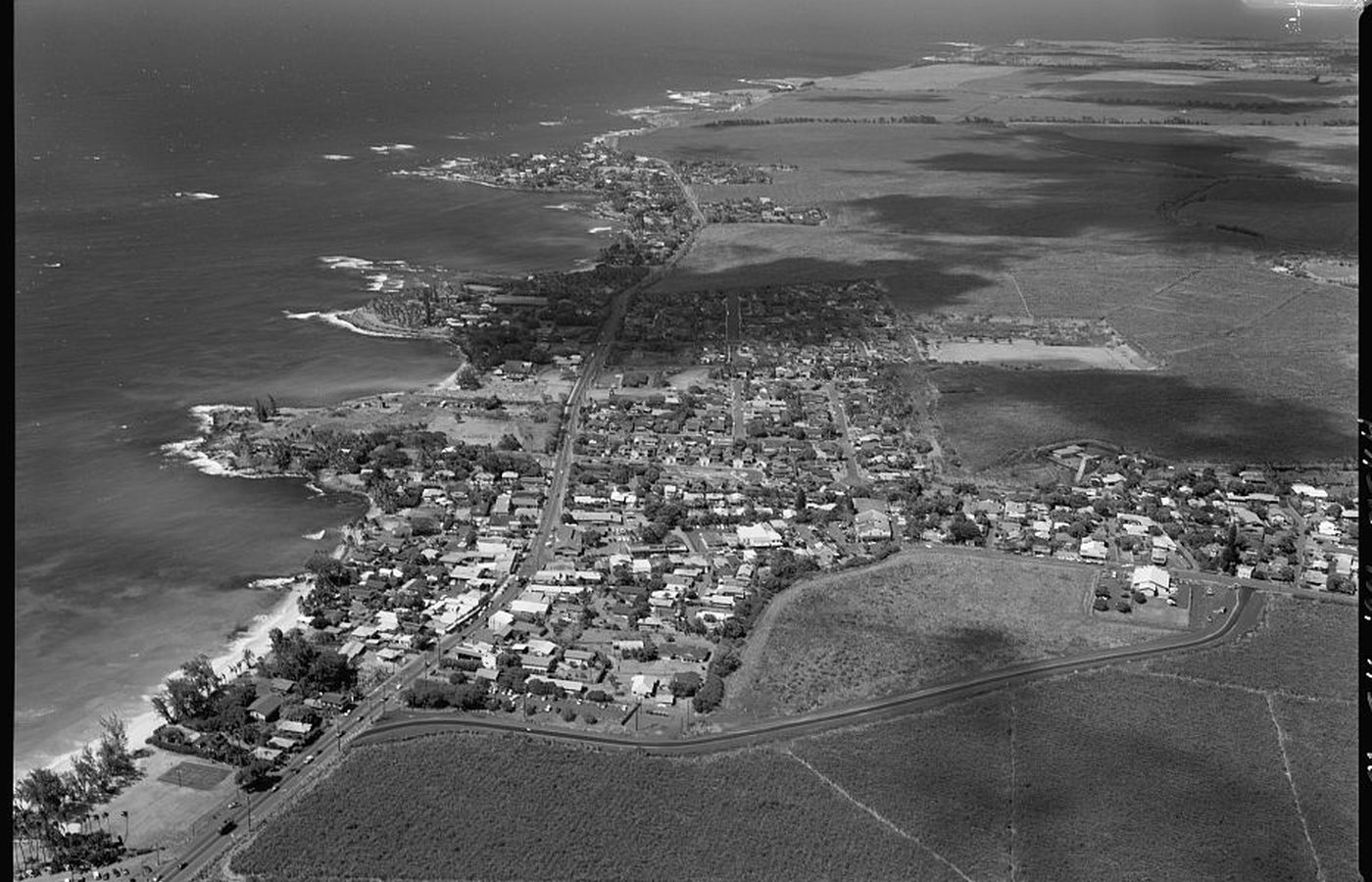
A story everyone can enter
History gives the generations something to share
Start with the archival photograph above. Ask a child to find the road. Ask an adult what work the surrounding fields suggest. Ask a grandparent what changes they have seen in their own hometown. A guide can then help separate what the image shows from what needs explanation.
Pāʻia also connects Maui with a larger story. Patsy Takemoto Mink was born here in 1927 and became the first woman of color elected to the U.S. Congress. Her work invites a conversation about education, opportunity, and whose voices are heard. That is a different way for a family to remember a town than simply remembering where it bought lunch. U.S. House biography.
We want that curiosity to continue after the tour. Let each person choose one detail to retell that evening. You do not have to remember every date. Remembering why a place matters is a good beginning.
Comfort is part of the itinerary
Plan around needs, not assumptions about age
| Tell the operator | Why it changes the plan |
|---|---|
| Comfortable walking time and steps | “Ten minutes on level ground” is more useful than “not much hiking.” |
| Vehicle entry and seating needs | Confirm step height, available help, seat layout, and space for mobility equipment. |
| Children’s ages and restraint needs | Confirm suitable child seats, installation arrangements, and passenger capacity before booking. |
| Meals, allergies, and breaks | Build realistic food and restroom stops into the day. |
| Sensitivity to curves, heat, or cold | Choose an appropriate route and environment from the outset. |
A luxury SUV may suit a group that values shelter and conversation, but it is not automatically an accessible vehicle. An open-air Bronco may appeal to a family that enjoys the exposure and adventure. The practical questions matter more than the label. Ask to confirm the exact vehicle rather than choosing from a photograph alone.
A good plan also makes skipping a walk feel ordinary. Agree beforehand that nobody has to prove they can keep up. The goal is shared time, not matching everybody’s step count. Keep the return journey in the plan; a pleasant morning can become a hard afternoon if every spare minute has been booked.
The lesson we want to leave with you
Let children see what caring for Maui looks like
Children notice what the adults do. Staying behind a barrier, thanking an interpreter, and accepting a changed plan all teach something. So does supporting a local business without treating the surrounding neighborhood as a photo set.
- Let the guide explain the boundary. Roads, trails, farms, streams, and cultural sites have different access rules.
- Observe without collecting. Leave plants, rocks, and historic features in place.
- Make room for residents. Keep driveways, entrances, and working spaces clear.
- Give wildlife space. A child can remember an animal without touching, feeding, or approaching it.
- Welcome a different plan. Weather and closures are part of traveling on an island. An alternative can become the day’s best conversation.
This is why we encourage guided travel. The guide should help your family understand where it is welcome, what it is seeing, and how to leave with care. The value is in learning and judgment throughout the day.
Before you reserve
Questions that lead to a better family day
Which activity is best when we have young children and grandparents?
Start with the group’s shared walking comfort and tolerance for driving. An aquarium or garden can give you a focused outing; a shorter private Hāna experience may fit a family keen on rainforest scenery. Confirm the details rather than assuming any outing works for every age.
Should we book a private tour?
We recommend it when your family needs a pace of its own and wants local interpretation along the way. Ask how flexible the route really is and which stops depend on reservations. Some attraction-led programs are excellent on their own; the activities above are ideas to choose among, not a promise that one Hawaii By Storm tour includes them all.
Can we combine Hāna, Haleakalā, and the aquarium in one day?
We would choose one main experience. They are different commitments, and adding destinations can leave little room for the people you came with. Talk through your priorities with a guide and give the chosen place enough attention.
What should we confirm just before the trip?
Pickup and return expectations, current access, admission arrangements, vehicle and child-seat needs, meals, and walking. Use the linked official attraction pages for current programs and notices. Conditions and operating details can change.
Bring the family. Let us help shape the day.
Tell us who is coming, what everyone is curious about, and what would make the day comfortable. We will talk through a private Maui tour that gives your family room to enjoy the island and learn something worth carrying home.
Explore our Luxury SUV tours or call (808) 444-3770 to discuss your group. We would rather help you choose a day that fits than fill an itinerary simply because another stop is possible.
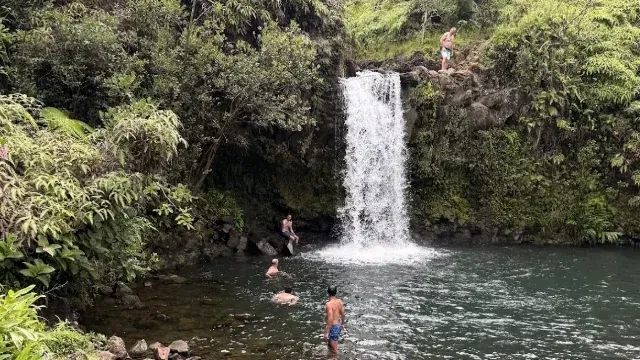
Find your family’s Maui dayHero photograph: Puohokamoa Falls within the privately managed Garden of Eden; access and the day’s stops vary G. Lamar · CC BY 2.0 · resized for web. Image record.

.jpg)
.jpg)