
A private Maui guide does more than take you from one view to the next. The work begins with understanding your group, continues through the choices made along the route, and shows up in what you understand when the day is over. A beautiful landscape becomes more meaningful when someone helps you see the relationships within it.
That is the kind of guided travel we believe in at Hawaii By Storm. We want you to enjoy Maui, learn about the people and history connected to it, and recognize why some places need space. A good day includes both welcome and boundaries. The guide’s job is to help you understand them.
Before the day
Match the route and vehicle to the group.
During the visit
Interpret the landscape and make practical decisions.
After the tour
Leave you with context, useful questions, and respect for the place.
A guide helps choose a day that fits
Before the vehicle arrives, someone needs to connect the route with the people taking it. Children’s restraints, mobility equipment, walking comfort, food needs, pickup location, and a return deadline all matter. A guide and office should use those details to identify a suitable experience.
That may mean recommending fewer stops or a different region. A family curious about plants and history does not necessarily need the longest possible Hāna itinerary. A guest who wants summit views needs to understand the mountain environment before deciding. A thoughtful recommendation is more useful than automatically agreeing to an ambitious wish list.
Ask what the operator needs from you before the day. Our private tour checklist provides a practical starting point. The clearer the brief, the more attention the guide can give to the actual visit.
A guide connects what you see with what it means
Consider a historic bridge. Without context, it may seem like a narrow place where vehicles have to wait. With interpretation, it becomes part of the story of how communities were connected, how a road was built across a difficult landscape, and why that route still matters to residents.
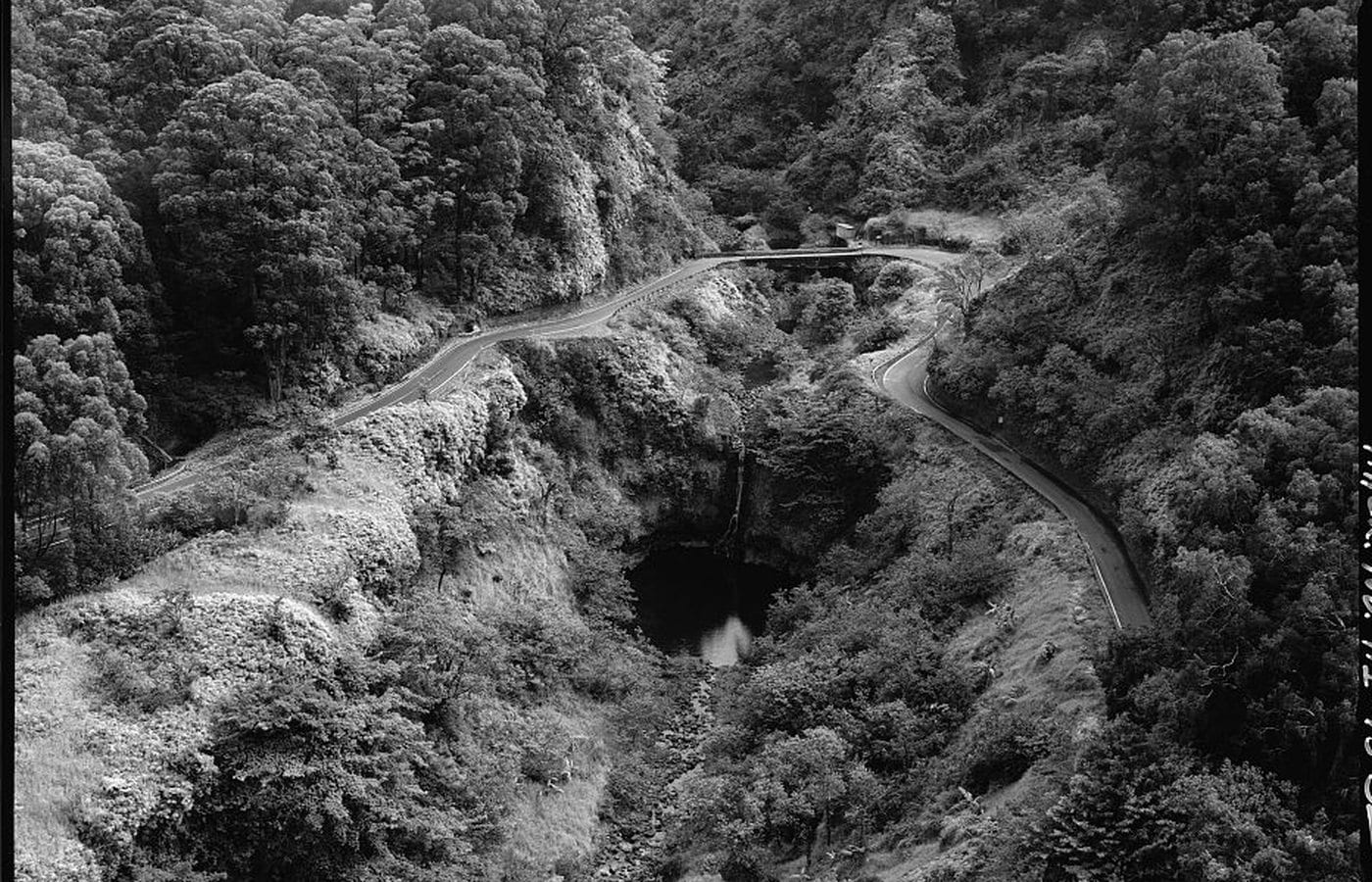
The National Register documentation for the Hāna Belt Road records the road’s opening in 1926 before paving. A guide can use that history to help visitors look beyond a checklist of scenic stops and recognize the road as working infrastructure with a past.
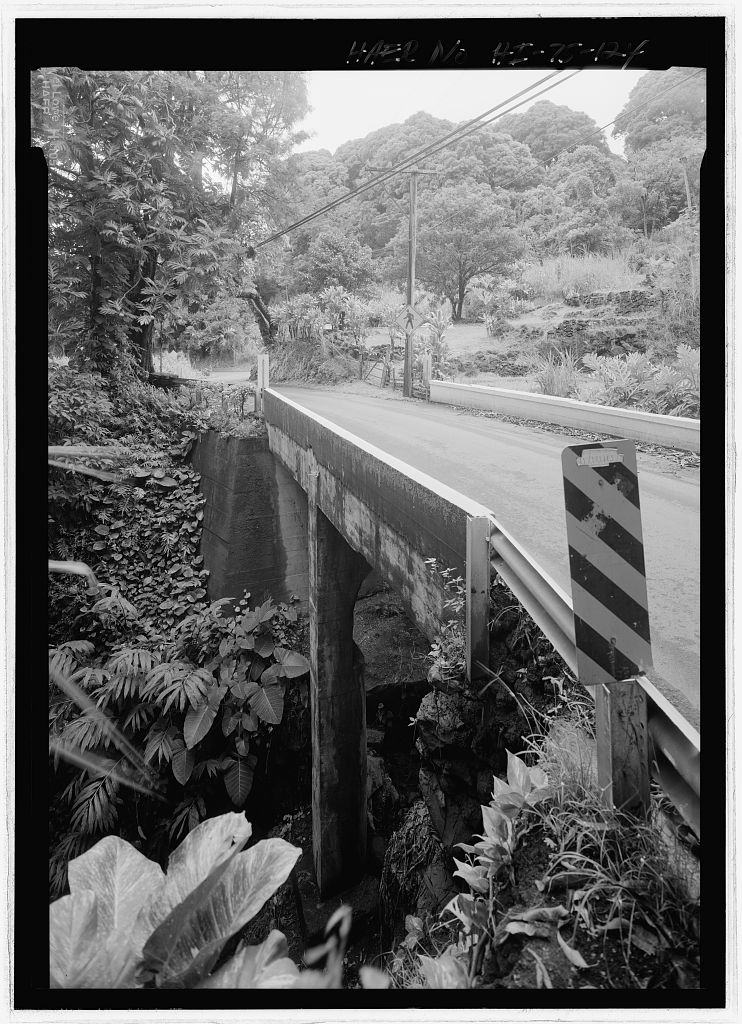
Interpretation should also acknowledge what is uncertain. An archival photograph shows one moment, not every person’s experience. A story may have different tellings. Ask a guide how they learned the material and where you can read more. Being willing to distinguish a documented fact from an interpretation is a strength.
A guide makes the smaller details easier to notice
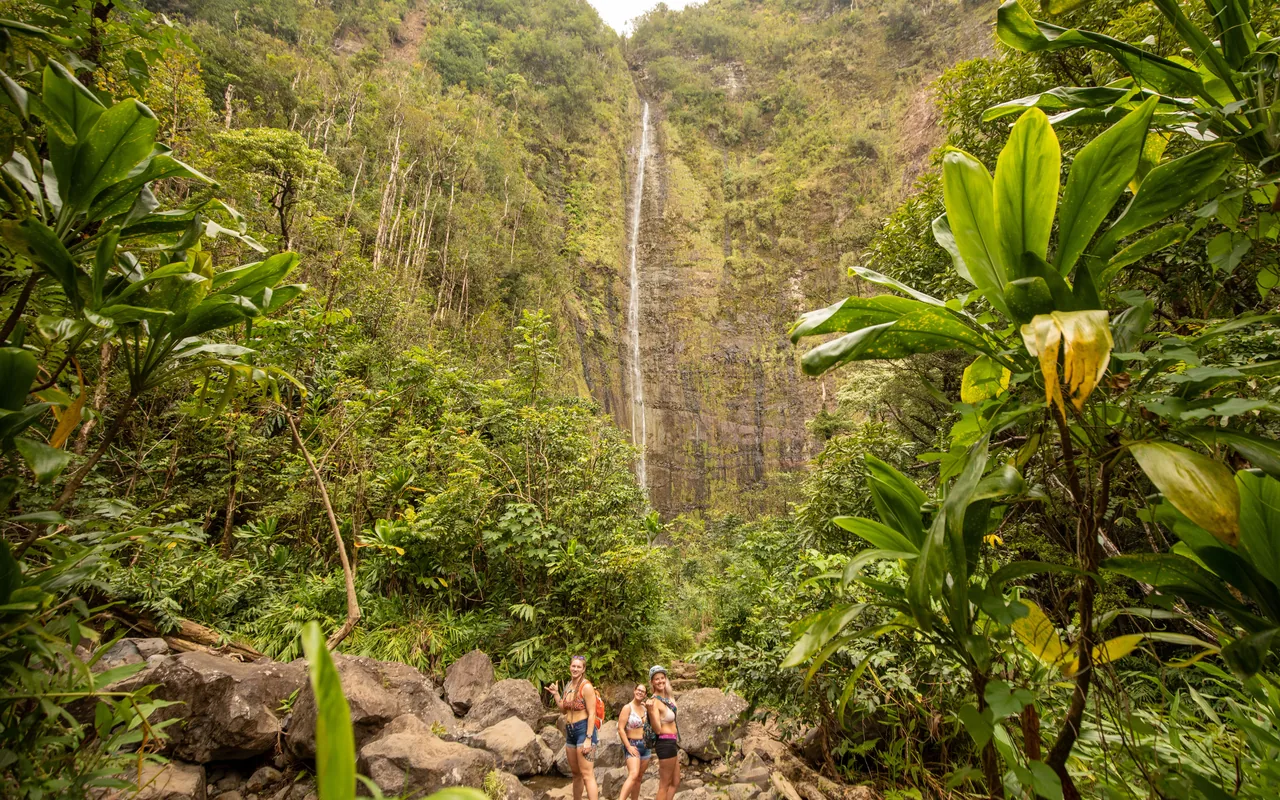
A visitor may remember the biggest waterfall while missing the plants beside the path or the agricultural landscape beyond it. A knowledgeable guide can draw attention to those relationships without turning the day into a lecture. The right question often does more than a string of dates.
Ask what the green landscape contains: native plants, introduced trees, or cultivated crops. Ask how water connects an upland area with the coast. Ask why a particular place name matters. Those conversations can make an ordinary-looking stop one of the most interesting parts of the day.
Living conservation offers useful context. NTBG describes Kahanu Preserve as coastal forest that supports native wildlife, cultural plant resources, and the health of nearby fisheries. That helps explain why caring for a forest is connected to caring for the ocean. Deeper hosted programs should be arranged with the organization itself; a general sightseeing tour should not claim to replace its expertise.
A guide handles logistics while keeping the group informed
Driving, legal stopping, route timing, admission arrangements, and breaks are all part of the practical work when the booked service includes them. The point is to reduce the decisions guests have to manage while still explaining the decisions that affect their day.
If a stop is unavailable, a guide should explain why and describe an appropriate alternative. If time is getting short, they should help the group choose rather than quietly rush every remaining stop. Clear communication is especially important when travelers have a fixed return commitment.
| Situation | What a thoughtful guide contributes |
|---|---|
| An appealing roadside view | Identifies whether there is an appropriate stopping place and explains the landscape from there. |
| A change in weather or access | Explains the effect on the itinerary and discusses a suitable alternative. |
| A guest needs a break | Adjusts within the route’s practical limits and communicates the next opportunity. |
| A question about history | Shares sourced context and acknowledges what needs further explanation. |
| Different interests within a group | Finds a common thread and balances time without promising every possible activity. |
A guide should respect limits, not sell a way around them
“Private” describes the booking arrangement. It does not grant entry to private land, make a closed park open, or remove the need for a reservation. A responsible guide should be able to say that a place is not available and help you understand why.
That can be one of the most valuable parts of a tour. An online photograph may not show the fence, the landowner, the condition of the route, or the effect of repeated visits. On Maui, we want the people welcoming visitors to have their boundaries respected even when an image makes a place look easy to reach.
We encourage guests to stay on designated routes, avoid collecting plants or historic material, and give residents room to work and travel. Guided travel should reinforce those habits. It cannot guarantee that every activity is safe in every condition, and it should never be sold that way.

Guide-only services and vehicle tours are different
When comparing a private tour guide in Maui, first establish what the service includes. Some arrangements provide interpretation while you supply the rental vehicle. Other tours include the vehicle, driver-guide, pickup, and a defined itinerary. The responsibilities and price can differ substantially.
Hawaii By Storm’s tour options describe the available experiences and vehicles. Read the individual product details and confirm the arrangement for your group. Do not assume that a provider’s headline price includes transport, admissions, meals, or extra time unless the booking says so.
Ask about the actual vehicle, child restraints, equipment space, and any transfer needs. If a particular certification or authorization matters to you, request a specific explanation. Do not infer qualifications from an attractive title or from another operator’s credentials.
Questions that reveal the quality of the experience
Ask, “How would you shape the day for our interests?” A useful response should connect your priorities to the route rather than simply repeat a list of attractions. Ask what gets adjusted when someone needs less walking or when an advertised stop is unavailable.
Ask, “What would you help us understand about this area?” The answer might involve road history, agriculture, plant life, or a community’s changing relationship with visitors. You are looking for thoughtful, accurate interpretation, not a claim to speak for every person on Maui.
Ask, “Which parts need confirmation before we book?” A clear answer about admissions, pickup, vehicle, and timing is a good sign that the practical work has been considered. Use our custom itinerary guide if you have a particular theme in mind.
What should you bring to the partnership?
Bring curiosity and useful information about your group. Tell the guide when you have a question, when you need a break, and when a subject interests you. Accept that a changed plan can be the right decision and that a boundary is part of understanding a place.
The best result is not simply a camera full of views. It is remembering a place more accurately, appreciating the people who care for it, and knowing how to visit with consideration the next time. That is what we hope a guided Maui day gives you.
To discuss a route and guide for your group, call (808) 444-3770 or explore our Luxury SUV tours. Tell us what you want to learn as well as what you want to see.
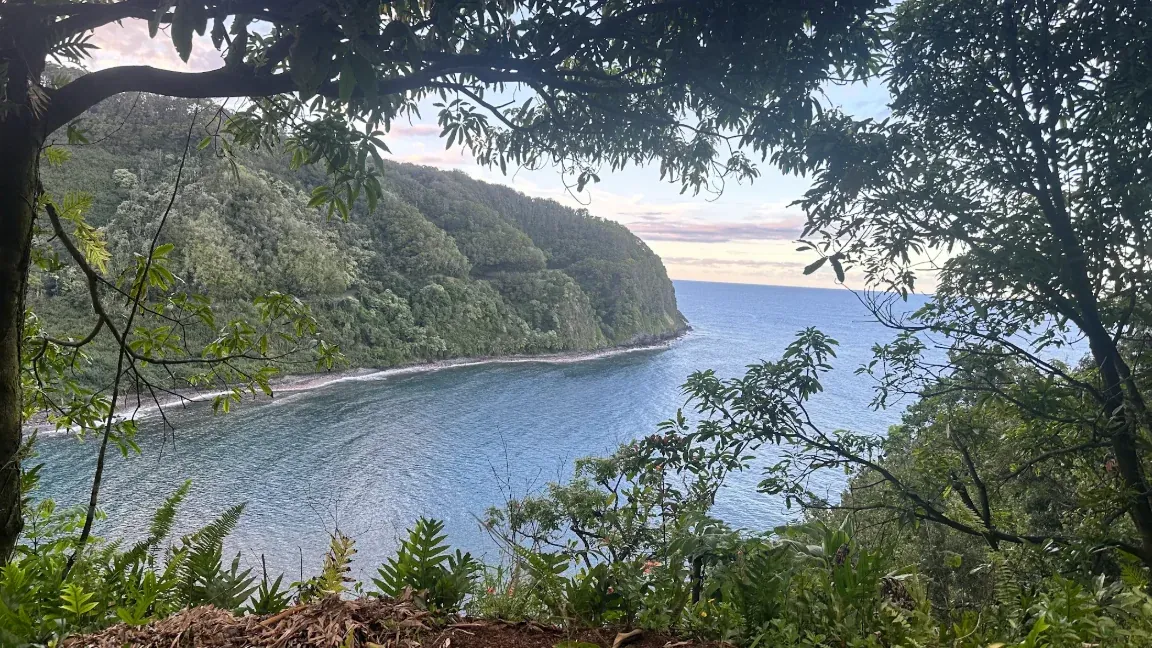
Hero photograph: Kahului Bay, where coast, harbor, and everyday travel meet in Central Maui. Sinoue@yahoo.com · public domain · resized for web. Image record.
.jpg)
