The best Maui tour for an older traveler begins with a conversation, not an age cutoff. Some guests want a long walk and a full day of exploration. Others would rather spend time with a beautiful view, hear its story, and return with energy left for dinner. Both are worthwhile ways to know our island.
For the Road to Hāna, we recommend a knowledgeable guide who can discuss the real demands of the route and plan around your comfort. The purpose is to enjoy the landscape and learn from it. Nobody should feel they need to complete a hike, climb down to a waterfall, or match another person’s pace to make the day count.
Describe your comfort
Walking time, steps, transfers, and time in the vehicle.
Choose the right day
A shorter coast outing, a longer Hāna visit, or another Maui experience.
Confirm the details
Actual vehicle, restroom plan, admission, and return expectations.
Is the Road to Hāna a good choice for seniors?
It can be, provided the road itself suits the traveler. The journey includes repeated curves, bridges, changing weather, and substantial seated time. A private tour can give the group more control over its pace, but it cannot straighten the road or place a restroom at every viewpoint.
Consider what you enjoy about a day out at home. If a scenic drive with short stops sounds appealing, a carefully selected Hāna itinerary may fit. If extended sitting or winding roads are difficult, tell the operator before choosing a destination. The best recommendation may be a shorter outing elsewhere on Maui.
Ask for the full time away from your accommodation. A route description may measure a different part of the day from the one you have in mind. West Maui or South Maui pickup adds its own practical considerations, and the return trip deserves as much thought as the first stop.
Describe mobility in useful, specific terms
“Easy walking” means different things to different people. “I am comfortable for ten minutes on level ground, but steps without a rail are difficult” gives a guide something useful to plan around. Mention whether standing still is harder than walking, whether uneven ground is a concern, and whether you prefer to remain close to the vehicle.
| Before booking | Ask for a concrete answer |
|---|---|
| Vehicle transfer | What is the entry step height? Are there grab handles? What help can the operator actually provide? |
| Mobility equipment | Will the exact folded walker or wheelchair fit? Is the vehicle accessible for someone who cannot transfer? |
| Walking surfaces | Which stops have steps, slopes, gravel, wet paving, or a longer walk from parking? |
| Rest opportunities | Where can we sit, use a restroom, and choose to skip a walk? |
| Communication | Can everyone hear the guide? Can important details be shared in writing before the trip? |
A luxury SUV is not automatically wheelchair accessible, and a shorter walk is not automatically step free. If you need a ramp, lift, specific securement, or assistance transferring, confirm those requirements explicitly. Do not rely on a general description such as comfortable or senior friendly.
Share only the health information needed to plan responsibly. Questions about whether travel, elevation, or an activity is appropriate for your medical circumstances belong with your clinician. The operator should describe the environment and practical demands so you can make that decision with useful information.
Choose fewer stops with more meaning
We would rather give you time to understand one place than rush you through several. A coastal view can lead to a conversation about the surrounding community, how people work the land, and why the road is important to everyday life. A stop need not involve a strenuous walk to offer that connection.
Our Half-Day Hāna tour is listed at six hours and stays on the north Hāna Highway rather than reaching Hāna Town or Waiʻānapanapa. Discuss its actual stops and walking before booking. If visiting the black sand beach is your priority, say so at the beginning: that means considering a different time commitment and entry arrangements.
Avoid an itinerary sold only as a tally of waterfalls or photo stops. Ask what you will be able to enjoy from designated visitor areas and how the guide changes the day when access or energy changes. Skipping a stop should not mean missing the entire point of the outing.
Let history set a slower pace
A streetscape gives us a reason to look closely. In this 2008 Pāʻia photograph, notice the storefronts along Baldwin Avenue and the scale of the buildings. The town was shaped by people’s work and family lives; it is more than a convenient place to pass on the way east.

Our Pāʻia history guide provides a starting point for that conversation. Tell your guide if you are interested in agricultural history, old photographs, architecture, or the changes you remember from an earlier Maui visit. Those interests can help give the day a focus without increasing its physical demands.
We also want to be careful about what a photograph cannot tell us. It records a moment and a viewpoint, not everyone’s experience. A thoughtful interpreter explains the source, acknowledges gaps, and makes room for living community perspectives. Historic buildings and fields still have owners and access boundaries.
Plan breaks before they are needed
Restroom comfort deserves a direct conversation. Ask which facilities are planned on your route, whether there are steps or a walk from parking, and what the alternative will be if a building is closed. At our September 14, 2026 review, Kaumahina State Wayside was listed closed. An old itinerary is not enough evidence that a familiar stop is available today.
Keep personal essentials, a light layer, sun protection, water, and any routinely needed items within easy reach. Confirm meals and dietary needs before booking. A scheduled lunch stop should allow time to sit and enjoy it, not simply collect food before returning to the road.
If several generations are traveling together, agree on the pace before the tour. Let each person say what they need without making them the reason everyone else is “missing out.” Our family activities guide can help the group choose common ground.
Other Maui tours may fit better
A central-Maui garden or marine-learning visit can offer a focused day with less time on the winding Hāna road. Ask the attraction about its interpretive programs, surfaces, seating, and facilities. These are alternatives to consider, not a claim that they are included in a particular Hawaii By Storm itinerary.
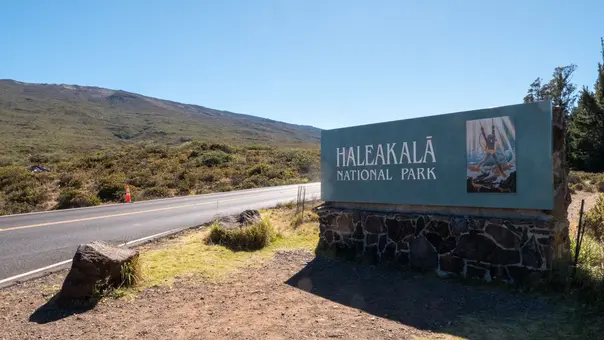
Haleakalā offers a very different landscape, but it is not automatically an easier substitute. Elevation, cold, wind, and the mountain drive need their own assessment. Read our Haleakalā guide and check NPS conditions. Anyone unsure about high-elevation travel should seek individual medical advice before deciding.
The important distinction is between the experience you want and the physical demands needed to have it. If your wish is to hear local history and spend a pleasant day together, there may be several ways to achieve that. A good planning conversation should explore them.
Comfort and care for the island belong together
Use established visitor areas and let the guide handle the question of access. Do not feel obliged to follow other visitors down a rough track because a famous photograph was taken there. Keep paths and entrances clear, and leave agricultural and cultural places undisturbed.
We encourage guided travel because explanation changes the visit. Understanding why a place matters makes it easier to accept a boundary or a revised plan. It also means the day can remain rewarding when a particular activity is unsuitable.
Before reserving your day
Do you have to hike on a private Hāna tour?
Ask for an itinerary built around your preferred amount of walking. Do not assume every advertised stop can be experienced directly from the vehicle; have the operator identify the practical options.
Is an SUV better than a Bronco?
An enclosed vehicle may suit guests who value shelter and conversation. Entry height, seating, equipment space, and the exact configuration still need confirmation. Choose from those details rather than the vehicle label alone.
Can a private tour guarantee an early return?
Agree on your return needs, especially before a flight, ship departure, or other fixed commitment. Traffic and conditions can affect timing. The operator should tell you whether the proposed outing leaves an appropriate margin.
How should we start?
Tell us where you are staying, your comfortable walking and seated time, and the story or scenery you most want to experience. Explore Luxury SUV tours or call (808) 444-3770 to discuss a Maui day that fits you.
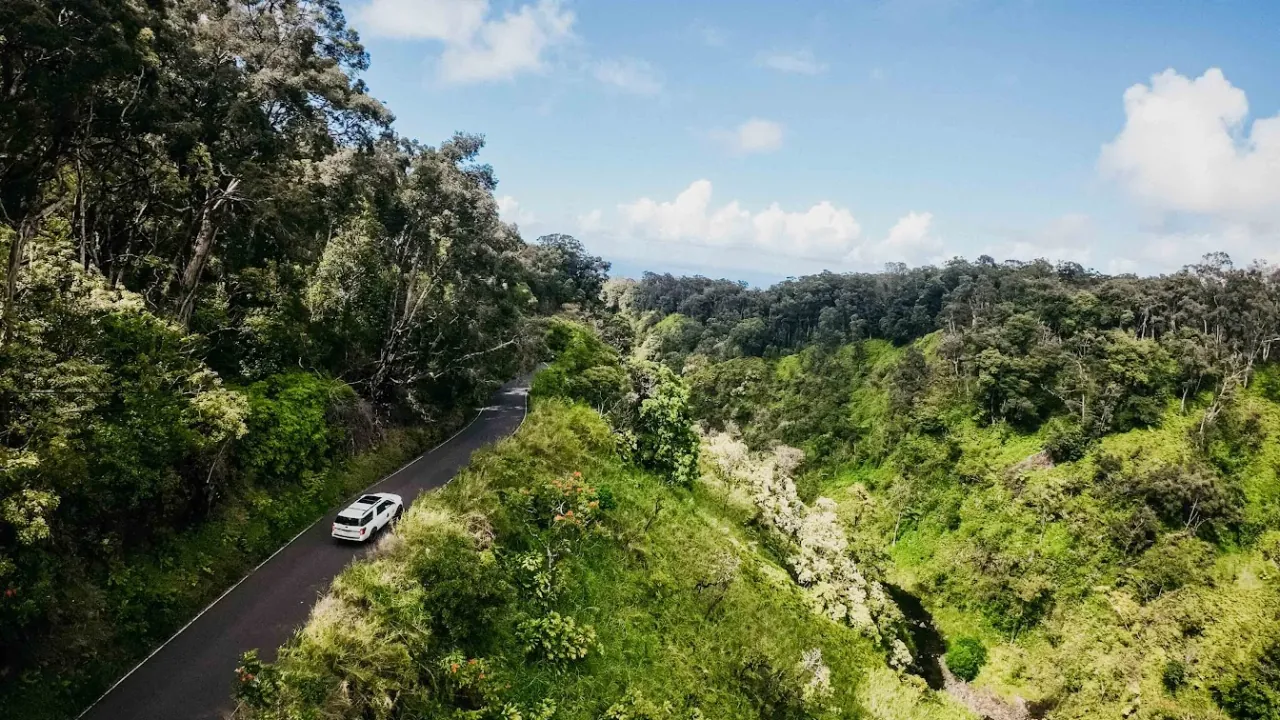
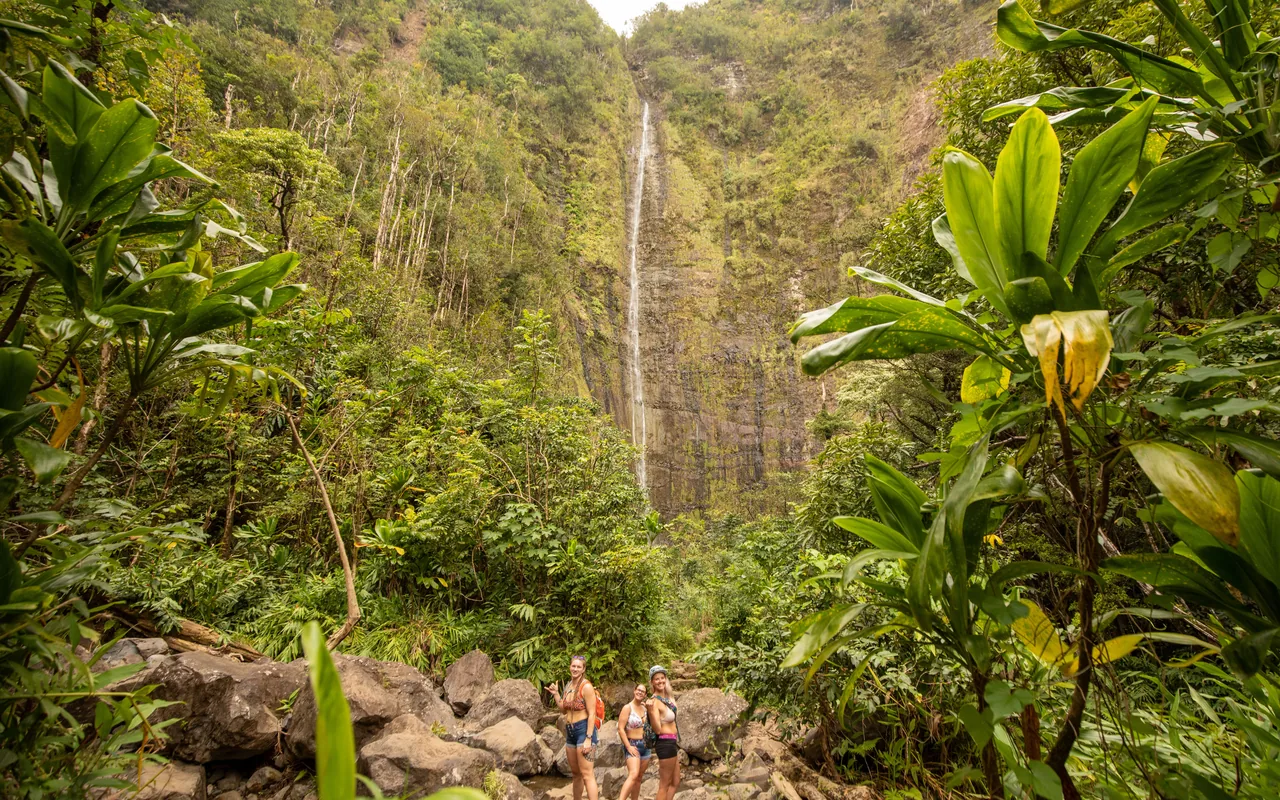
Hero photograph: Upper Waikani Falls, often called Three Bears dronepicr · CC BY 2.0 · resized for web. Image record.