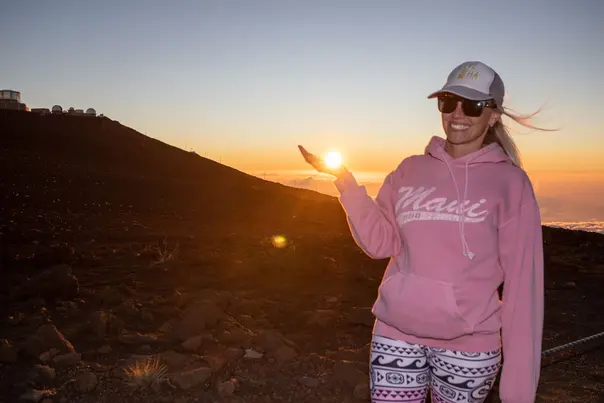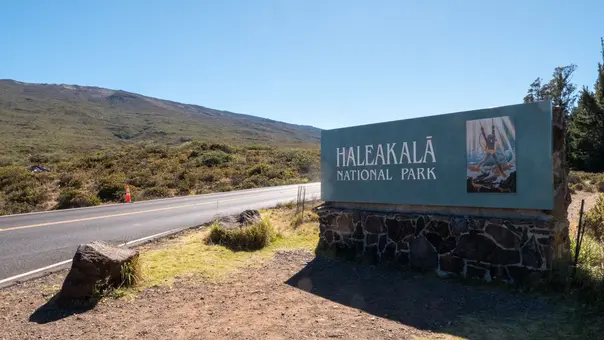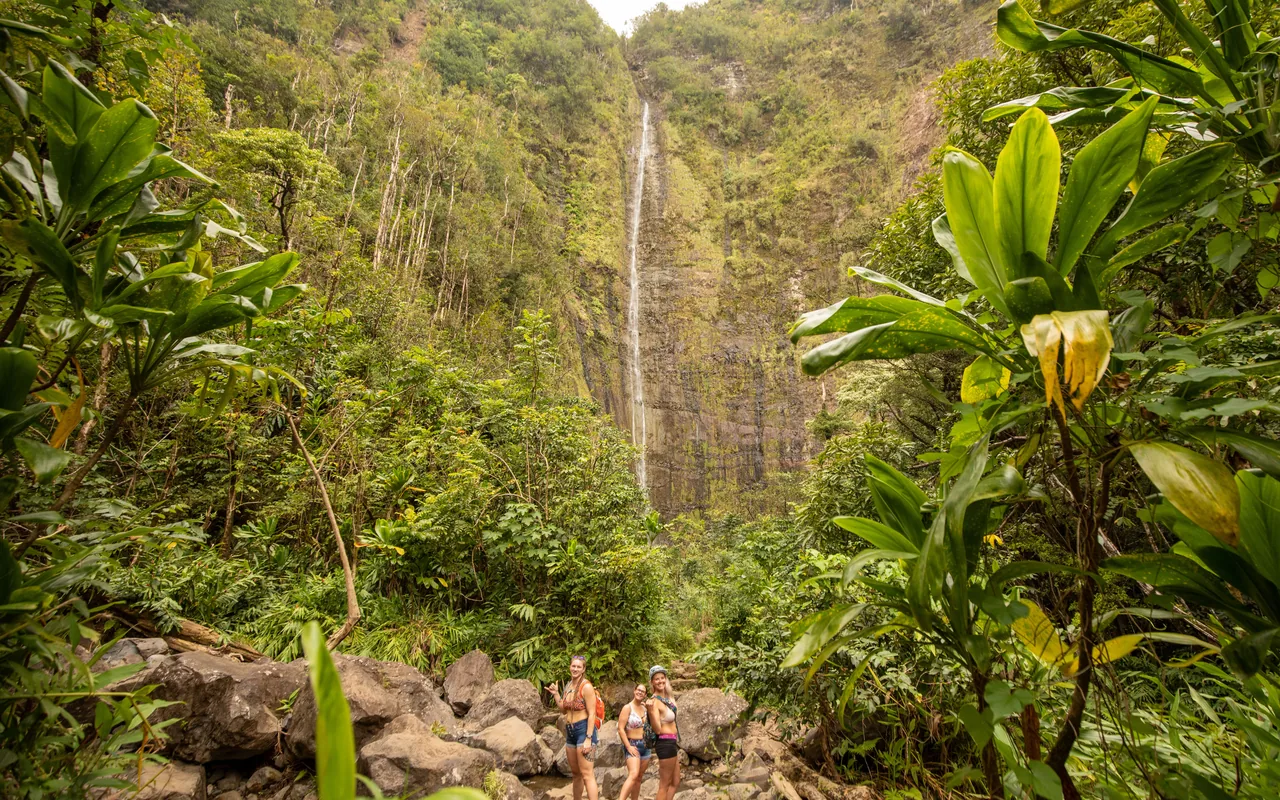
A photograph can show you the light above Haleakalā. It cannot explain why this mountain matters to the people who call Maui home, what changed when a road reached the summit, or why a few steps beyond a trail can leave a lasting mark.
That is the kind of day we want to share with you: a journey with enough time to look closely, ask questions, and understand where you are. Our island deserves more than a hurried stop between one reservation and the next.
We recommend visiting with a knowledgeable local guide. The value is in the judgment and interpretation along the way: choosing appropriate stops, understanding boundaries, and connecting a beautiful view with the island’s history. A good guide also knows when to change the plan. The mountain sets the conditions; the itinerary has to listen.
Understand the place
Haleakalā’s story begins long before the park
The National Park Service describes the summit as a wahi pana, a storied place, and part of wao akua, the realm of the gods. Hawaiian relationships with the mountain include ceremony, navigation, and skilled work with stone. These connections did not begin with a visitor center and do not belong only to the past. NPS: Summit cultural history.
For a visitor, that changes how to approach the day. Give people practicing cultural traditions space and privacy. Let a quiet moment stay quiet. Bring your curiosity, listen carefully, and let your guide help you understand which stories can be shared respectfully.
A thoughtful guide makes room for that kind of learning. We want the history to help you notice more: the relationship between the summit and communities below, the skill behind an old stone structure, and the responsibility that comes with being welcomed into a place.
The road changed who could reach the summit
Before the highway, visitors traveled up Haleakalā on foot or horseback. Guided horseback trips were part of early summit tourism. Construction of the park’s highway began in 1933, and the road opened on February 23, 1935. Its design held back the broad view into the summit depression until the end of the climb.
The road brought access and economic opportunity, but its history also includes Hawaiian objections to construction across a sacred mountain. Both belong in the story. Looking at the old road crew photograph, we can appreciate the labor involved without treating easier access as the only measure of progress. NPS: History of the Haleakalā Highway.
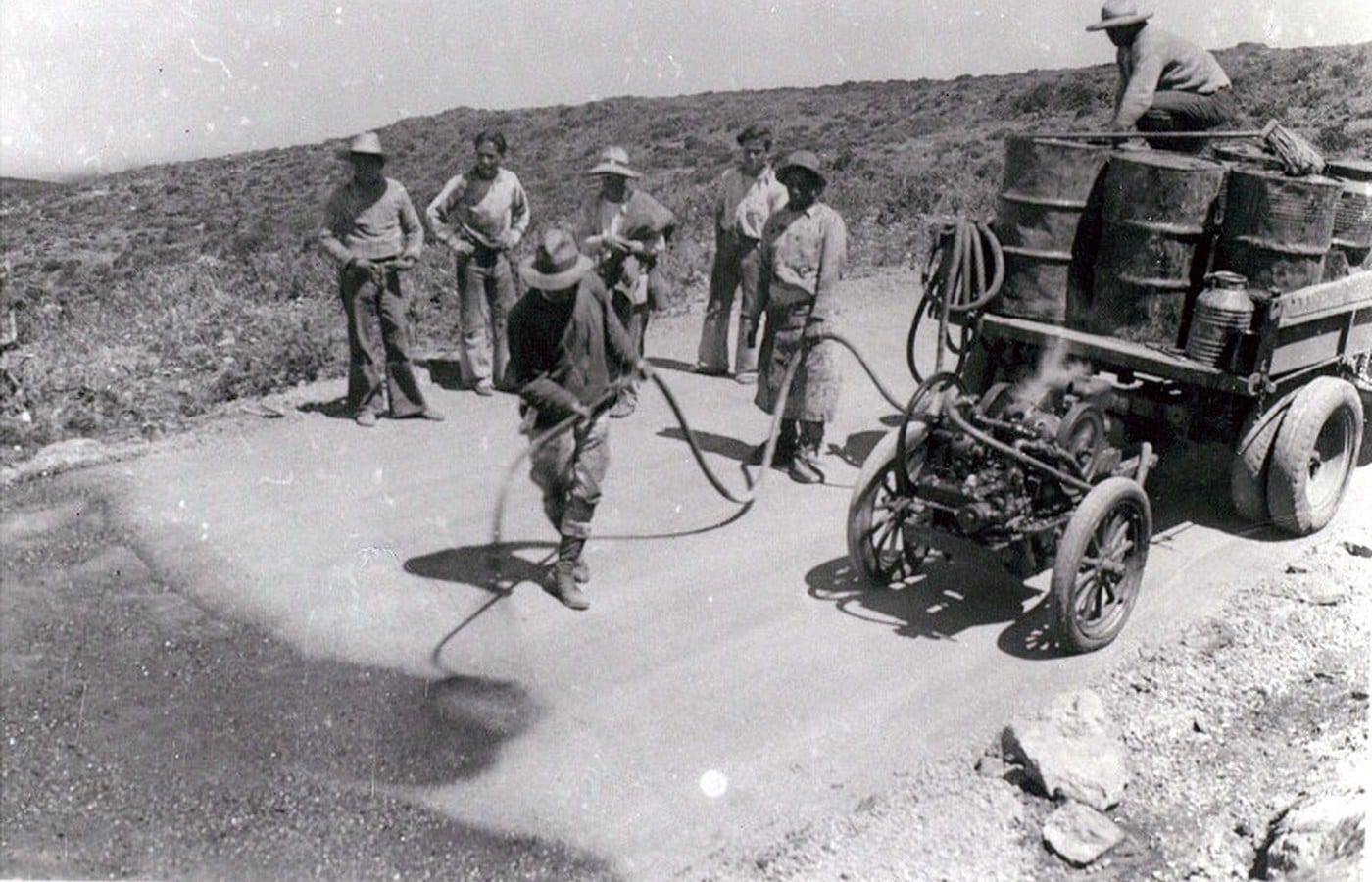
These are administrative and access milestones, not the beginning of Hawaiian connection to the mountain. NPS historical timeline.
Get your bearings
One mountain. Two very different approaches.
“Haleakalā National Park” can mean a cold, exposed summit visit or a wet coastal hike. The name alone is not enough when choosing a tour. Tell your guide which landscape you want to experience and how much walking your group actually wants.

The summit approach climbs through Upcountry. Kīpahulu is reached along the Hāna Highway beyond Hāna town. Combining them requires a substantially different travel plan; you cannot simply drive across the park from one visitor center to the other. Start with the experience you most want, then give it room. Check the official district directions.
What to notice
Build a day around understanding, not collecting stops
Ask for an itinerary that balances interpretation, short walks, and time to sit with the view. These are examples of places and subjects to discuss with your guide, not a guaranteed stop list.
Upcountry: notice the working landscape
Look beyond the destination as the road passes farms, pasture, and homes. Upcountry is a place where people work and live. A gate, driveway, or roadside field is not an invitation to stop. Use the journey to ask how farming, ranching, and visitor access shaped this part of Maui. Our Upcountry ranch history guide gives that conversation a starting point.
Hosmer Grove: look closely at the forest
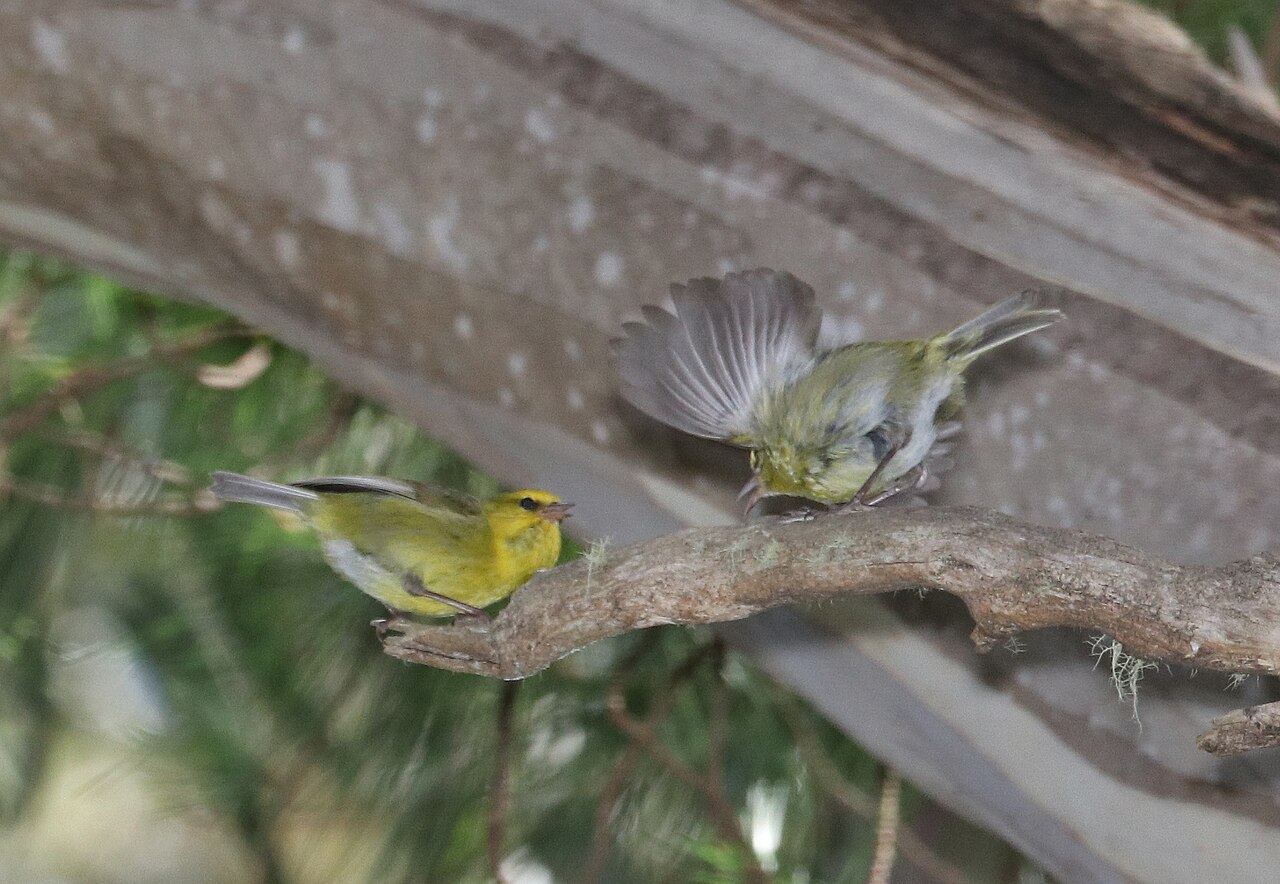
NPS describes a short loop where visitors can compare introduced trees with native shrubland and look for native birds. It is an opportunity to discuss why “green” and “native” do not mean the same thing. Slow observation can be more rewarding than hurrying toward a bird photograph. Sightings are never guaranteed. NPS trail descriptions.
Summit overlooks: leave time to take it in
The upper mountain offers a different scale of view. Rather than treating each overlook as a five-minute photo assignment, leave time for questions and changing light. The exposed landscape can feel demanding even during a short stop. Ask your guide to choose viewpoints around the day’s conditions and the least comfortable person in your group.
A short walk is a choice, not an obligation
NPS lists Pā Kaʻoao as a 0.4-mile round-trip walk with elevation gain and Leleiwi Overlook as a 0.3-mile round trip. Those distances do not make them suitable for everyone. Loose footing, wind, and altitude change the experience. A longer descent on Keoneheʻeheʻe, often called Sliding Sands, requires a separate hiking plan rather than an impulsive extension of a lookout stop. Review current NPS trail information.
Choose the experience
Sunrise, daytime, or sunset?
There is no single best departure for every visitor. Decide whether the event of sunrise, the chance to study the landscape in daylight, or the evening light matters most. Then consider sleep, cold, your group’s energy, and the drive back.
| Visit | Why choose it? | What to plan for |
|---|---|---|
| Sunrise | The transition from darkness to first light. | An early start, cold conditions, and the applicable sunrise entry arrangements. |
| Daytime | Time to observe the landscape and build an interpretive visit. | Sun exposure, changing clouds, and a pace suited to your group. |
| Sunset | Evening light without a predawn wake-up. | Capacity delays, colder conditions after sunset, and a descent in darkness. |
For private vehicles, NPS requires a sunrise reservation for Summit District entry between 3 a.m. and 7 a.m.; the entrance fee is separate. If you want a commercial sunrise tour, use the park’s authorized-tour information and confirm arrangements with that operator. Do not assume that every summit tour includes sunrise. NPS sunrise guidance.

Our recommendation is to choose the visit you can enjoy attentively. A rested group that has time to listen and adapt often gets more from the mountain than a tired group chasing an image it saw online. Clear skies and a particular view cannot be promised.
Leave room for what lives here
The ground beside the trail is not spare space
The silvery ʻāhinahina is a good reason to look down as well as out. NPS explains that silverswords can live for decades, flower once, and then die. Their seedlings and root systems are vulnerable to trampling. Ground that looks empty to us may be supporting the next generation of plants. NPS: Haleakalā silverswords.
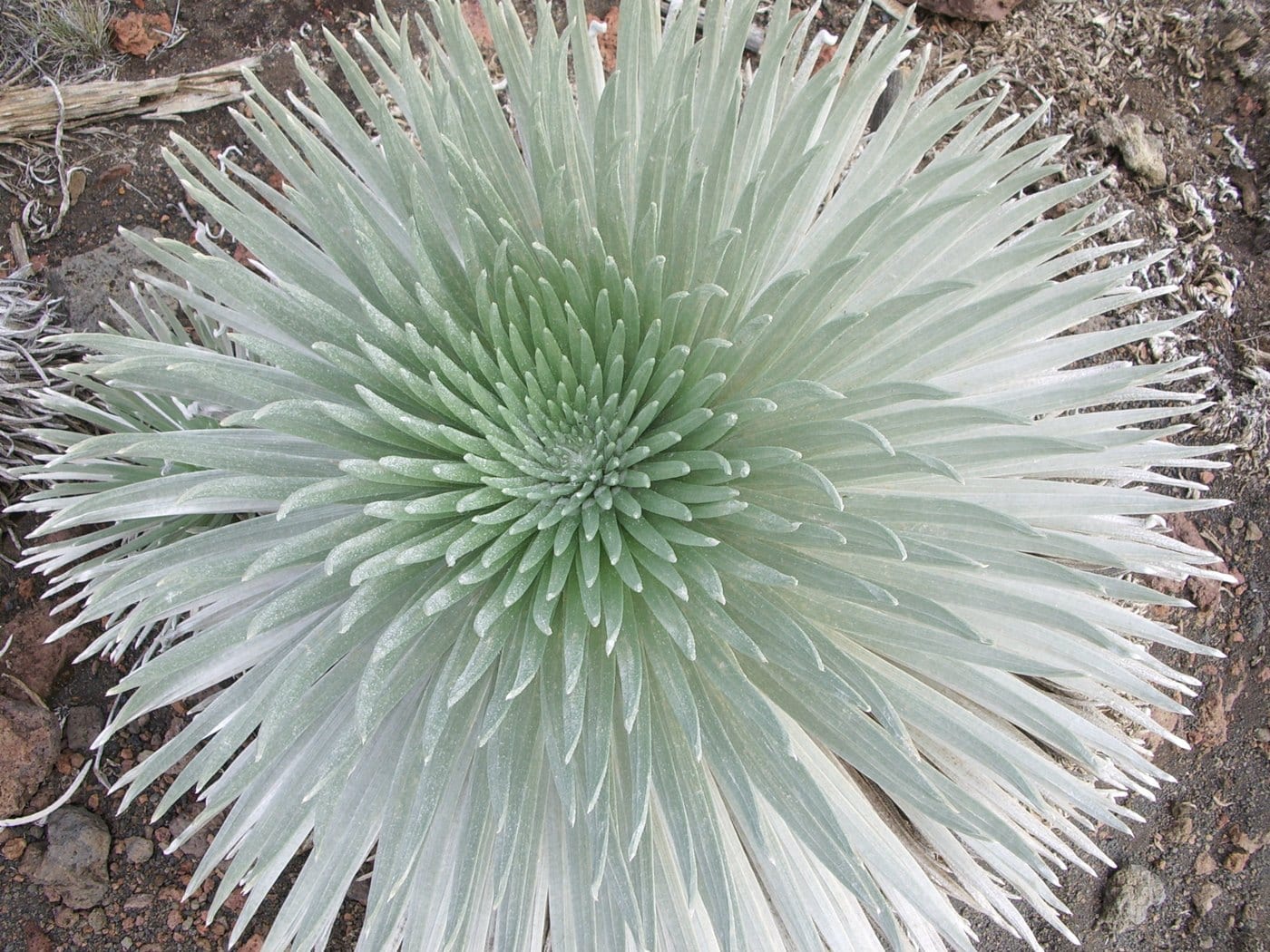
Our approach to sharing the island comes down to practical habits:
- Stay on designated trails. Do not step around a barrier for a cleaner photograph.
- Leave stones and structures alone. Take photographs without rearranging the place.
- Give wildlife room. Keep food to yourself and avoid crowding birds for a close-up.
- Respect the people around you. Keep voices low and do not interrupt cultural practice.
- Accept a changed plan. A closure or an unsuitable stop is a reason to adapt, not find an unofficial entrance.
These habits align with NPS summit guidance. A guide should help your group practice them throughout the day. Paying for a tour does not turn a closed place into an open one.
Plan for the mountain you will meet
Layers, time, and a current conditions check
Bring warm clothing, a wind-and-rain layer, sturdy shoes, water, food, and sun protection. NPS advises that summit weather can be much colder than the coast and can change quickly. Check what your operator provides rather than assuming jackets or meals are included. NPS preparation guidance.
Elevation deserves its own conversation. Let your guide know about mobility needs and the amount of walking you want. If you have concerns about high altitude, ask your clinician before booking; a tour vehicle does not remove the effects of elevation.
Questions worth asking before you book
- Is this the summit itinerary, and is it daytime, sunset, or sunrise?
- How much walking is planned, and what can be adapted for our group?
- What is included, and what food, layers, or park arrangements do we handle?
- How will the route change if weather, parking, or closures affect the day?
- What history and conservation topics will the guide help us understand?
Hero photograph: National Park Service, Haleakalā sunrise · public domain · cropped and resized. Photo record.
See Haleakalā with someone who helps you understand it
The view is part of the visit. Understanding why a road follows this slope, why a plant needs space, and why a place deserves quiet gives that view meaning.
That is why we believe in guided travel: less attention spent trying to navigate an unfamiliar day, and more attention available for the island itself. We want you to leave with stories worth sharing and the care to share them responsibly.
Explore our private Haleakalā Summit tour, or call (808) 444-3770 to talk through the right day for your group. For the deeper story behind the journey, continue with our Haleakalā National Park history guide.
Plan your Haleakalā day