
The Road to Hāna with children can be a day of wonderful questions: Why is that tree peeling? Who built this bridge? What grows in those fields? It works best when the adults make room for those questions—and for the less poetic business of bathrooms, food, and the ride home.
We recommend a knowledgeable private guide for this journey. A guide can handle the road and help your family understand the places it passes, including where a visitor is welcome and where a path should be left alone. Your part is to describe the children’s needs honestly before booking. A private tour still has curves, travel time, and limits.
Before the curves
Use a confirmed restroom and organize the day bag.
Along the road
Choose a few welcoming stops and ask for breaks early.
Before everyone fades
Keep enough time and energy for the return.
Start with the length of day your child can enjoy
A child who loves a two-hour outing may not enjoy a full day in a vehicle, even with beautiful scenery. Think about recent trips: how long were they content in their seat, how often did they need a break, and did a missed nap affect the evening? Give that information to the operator instead of simply asking whether the tour is family friendly.
Our Half-Day Hāna tour is a six-hour experience. It explores the north Hāna Highway and does not reach Hāna Town or Waiʻānapanapa State Park. That distinction matters if black sand beach is on your wish list. Choose a longer route only after discussing the full pickup-to-return commitment and admission arrangements.
For a family that wants a shorter learning day with less driving, an aquarium or garden may fit better. Our Maui family activities guide compares those options. Choosing a different day is a good decision when it suits the people traveling.
Road to Hāna bathrooms: plan a sequence, not a promise
Restrooms exist along the corridor, but a pin on a map does not confirm that a building is open, stocked, or reachable on your particular route. Before departure, ask the guide to identify the first planned facility, an alternative, and the next opportunity after it. Tell them early when a child needs a stop; there is not a suitable pullout around every bend.
| Bathroom planning point | What to confirm |
|---|---|
| Kahului or Pāʻia before the winding drive | Use an agreed facility before departure. Shops may reserve facilities for customers; ask rather than assume. |
| Puaʻa Kaʻa State Wayside | A managed wayside with restrooms. Check current opening and facility status; a restroom break does not require a waterfall visit. |
| Waiʻānapanapa on a longer itinerary | Park entry arrangements must already be resolved. Do not use a reserved attraction as an unplanned bathroom workaround. |
| Kaumahina State Wayside | Listed CLOSED until further notice at our September 14, 2026 review. Do not build your day around it. |
The DLNR improvement notice documents Puaʻa Kaʻa’s restroom facilities. Check the park page and Kaumahina notices for changes. We do not give a fixed number of minutes between facilities because traffic, queues, and the chosen stops change the answer.
Carry a small supply of toilet tissue, hand sanitizer, a change of clothes, and bags for used wipes and other rubbish. Pack diapers and changing supplies where you can reach them. Do not leave wipes outdoors or assume they can be flushed. Ask about a suitable changing location before it becomes urgent.
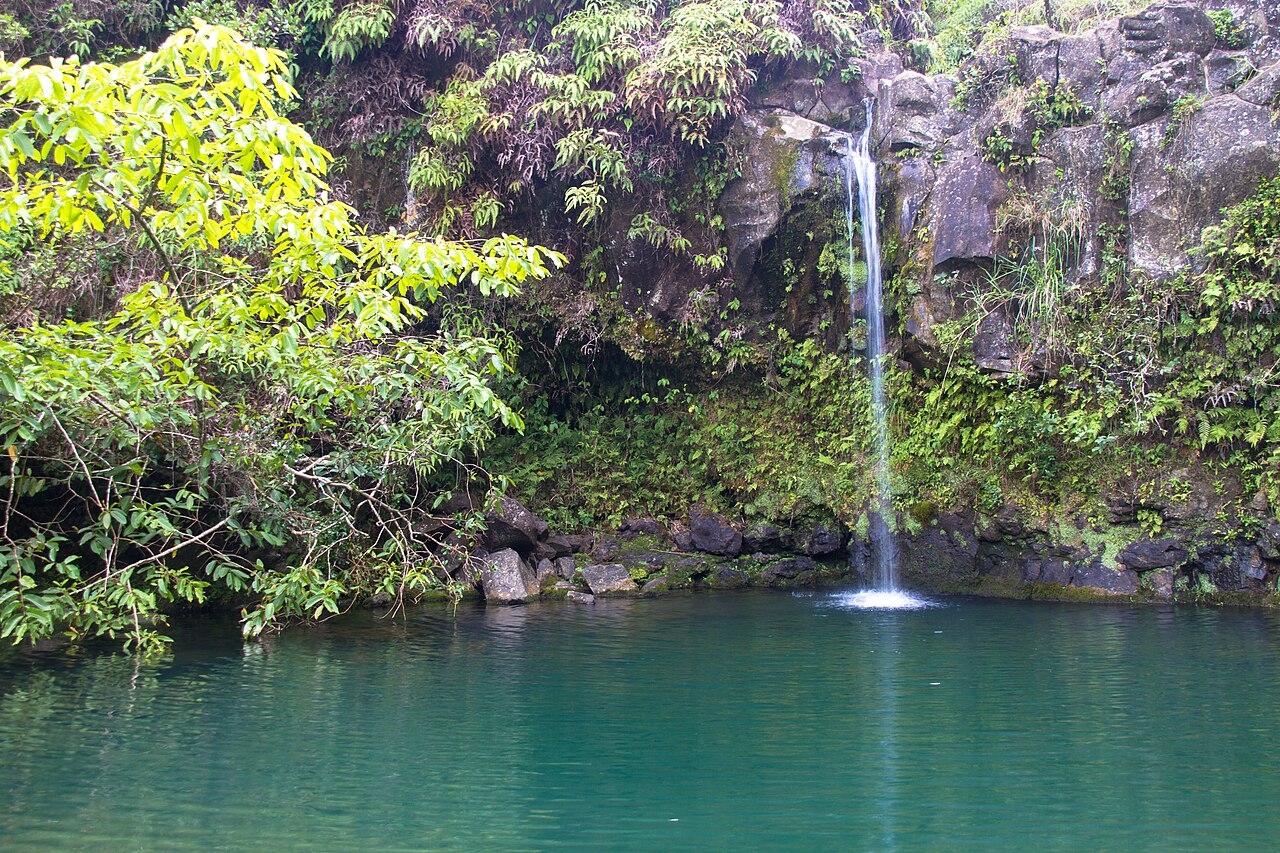
Snacks are part of good pacing
Pack familiar food that travels well and enough drinking water for the group’s plan. Keep a small portion readily available and the rest stored securely. Tell the operator about allergies and dietary needs before the day; a roadside business may not have the ingredients or preparation setup your family needs.
We enjoy supporting local food businesses, but a particular loaf of banana bread or lunch counter should not be the only food plan. Opening hours, stock, weather, and the day’s timing can change. Buy something when you stop, allow time for the people serving you, and keep entrances and neighboring driveways clear.
Ask where eating is allowed in the vehicle and plan a comfortable place to pause. Children often enjoy a snack more when it is paired with a few minutes to settle, look around, and talk. A cooler listed on a tour page is not the same as a confirmed meal; check exactly what your booking includes.
Make the ride comfortable before the first curve
Confirm the correct child restraint for each child, who provides it, and who installs it. The useful details are the child’s age and size, the seat model, and the actual vehicle configuration. Do not infer passenger capacity from a photograph or assume luggage and strollers will fit alongside every seat.
If your child has a history of motion sickness, seek advice from their clinician or pharmacist about an appropriate plan before travel. We cannot promise that a particular seat or vehicle will prevent it. Let the guide know and agree on how to communicate discomfort early. Avoid building a schedule that makes anyone feel they must push through just to reach the next attraction.
Put lightweight rain layers, spare clothing, sun protection, and shoes suitable for the agreed walking surfaces in one accessible bag. Keep toys simple. Looking for changes in the landscape or listening for a place name can become part of the trip without making every moment an organized lesson.
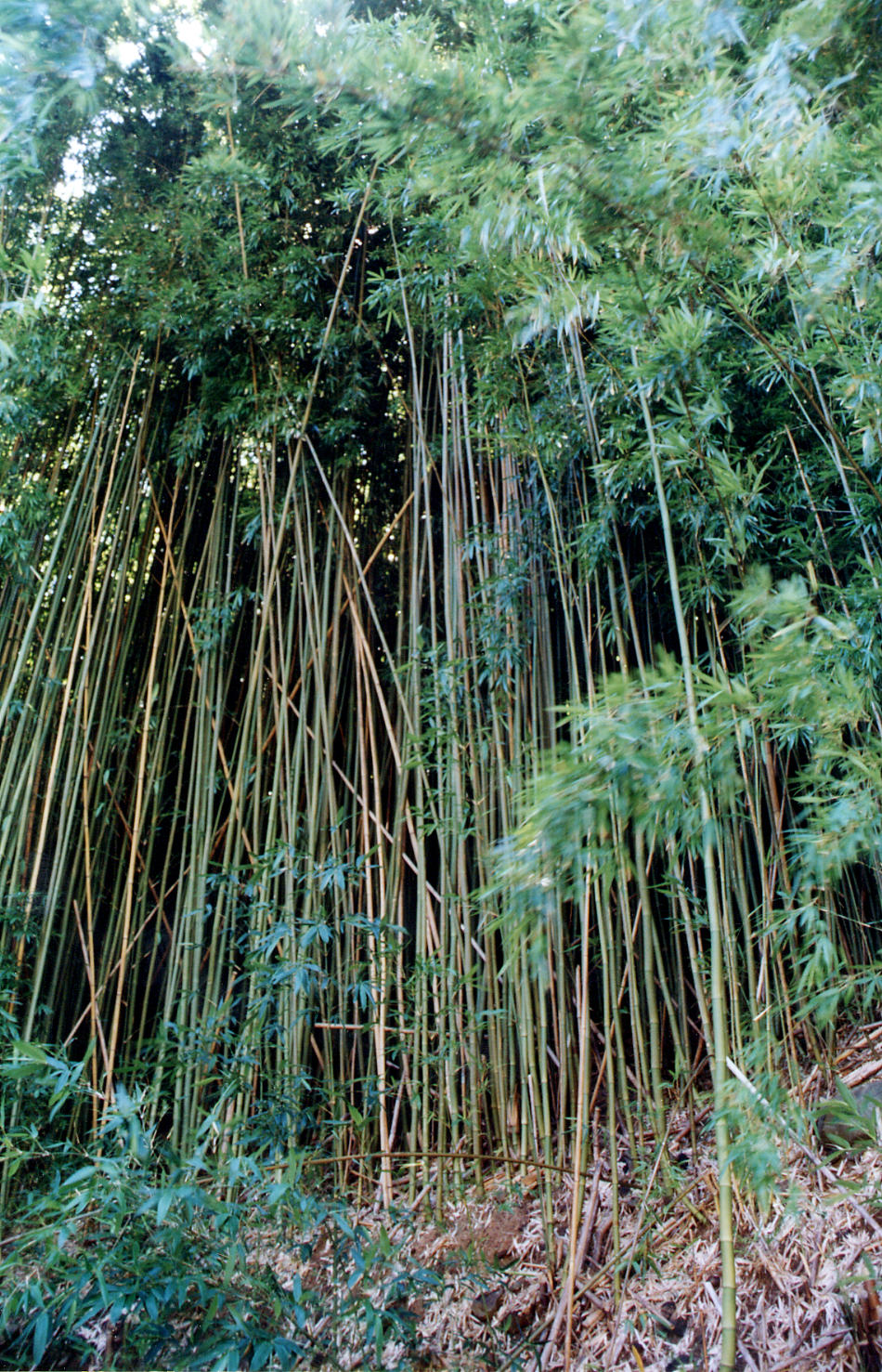
Turn a stop into a story
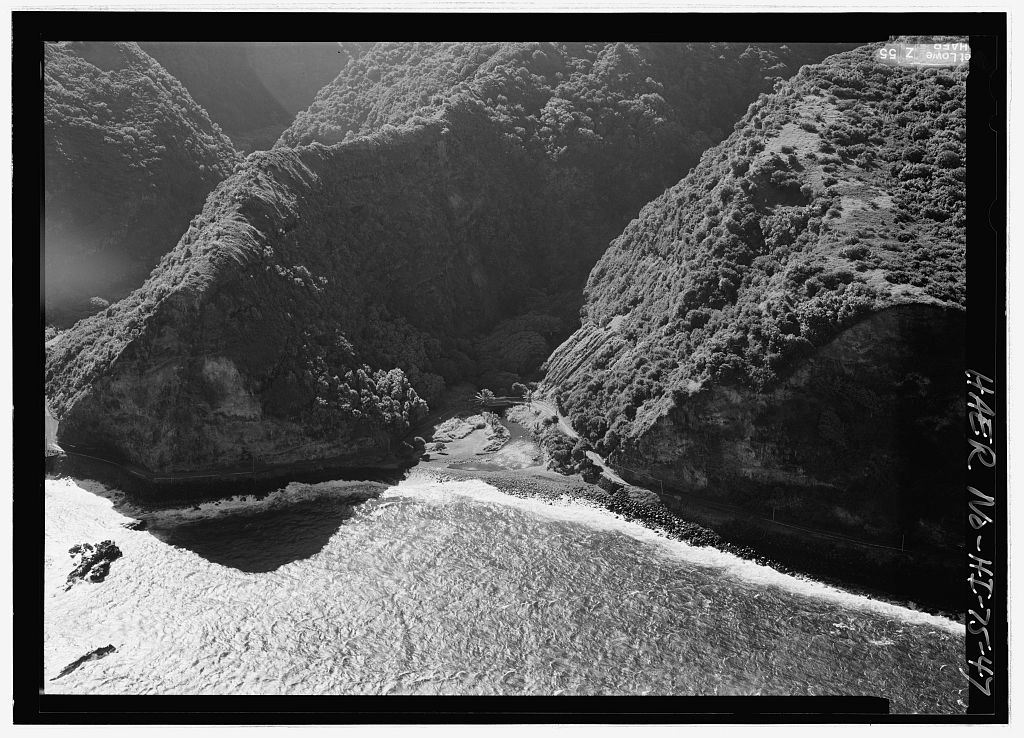
The Hāna road did not create the communities it connects. The National Register documentation records the road’s opening in 1926 before it was paved. The bridges and curves are part of a working connection between communities, not simply obstacles in a sightseeing itinerary.
Ask your guide to choose one detail a child can notice from an appropriate stopping place: the shape of a bridge, water moving through a valley, or the difference between a cultivated field and forest. Then ask why it matters. That is more useful than trying to memorize a long list of mile markers.
A plant conversation offers another opening. The National Tropical Botanical Garden’s Kahanu collections explain how canoe plants carried by Polynesian voyagers connect food and culture. You can introduce the idea without collecting a leaf or entering a field. Where a garden program is part of your plans, confirm its own booking and guide arrangements.
Let care for Maui be something children can see
Keep children beside you at roadside stops and follow the guide’s directions before opening doors or crossing. Leave fences, gates, and warning signs as firm boundaries. A photograph of another family at a waterfall does not establish a public route or suitable conditions today.
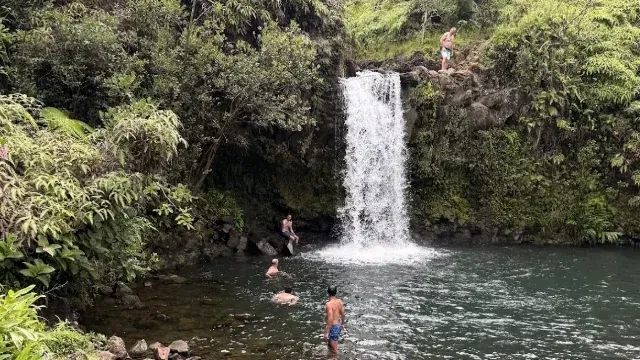
We do not make a swim the measure of a successful Hāna day. Waterfalls and coastlines can be enjoyed from permitted viewing areas. NPS identifies flash flooding, slippery rocks, rockfall, and rough water among the hazards in the Kīpahulu area; see its safety guidance. A guide should explain when an activity needs to change, and the adults should support that decision.
Give children something positive to take responsibility for: checking that their snack wrapper is packed away, thanking the person who shared a story, or remembering one place name. Those habits are part of enjoying the island well.
Questions we would settle before booking
Is Hāna suitable for toddlers?
It depends on the child and the length of the outing. Discuss naps, restraints, curves, changing needs, and a shorter route. No age label can guarantee a comfortable day.
Can we stop whenever a child asks?
Tell the guide promptly, but stopping depends on a legal, suitable place. Agree on planned breaks and alternatives before setting out rather than expecting the vehicle to stop immediately anywhere.
Should we add the Pīpīwai Trail?
Treat a substantial hike and its extra travel as a separate planning decision. Describe the children’s recent walking experience and read the specific Pīpīwai with kids guide. Do not add it as an afterthought to an already full day.
What should we tell you first?
The children’s ages, your accommodation, preferred day length, restraint needs, and the one experience everyone cares about most. Explore the private tour options or call (808) 444-3770. We can discuss a day with room for the family and respect for the places welcoming it.
Hero photograph: Rainbow eucalyptus along the Road to Hāna Paxson Woelber · CC BY 2.0 · resized for web. Image record.

.jpg)
.jpg)